
The united airlines flight ua770 emergency diversion captured attention in the aviation world when a routine transatlantic journey took an unexpected turn. On May 28, 2025, the flight, operating from Barcelona to Chicago, encountered an issue that prompted a safe diversion to London Heathrow. This event highlights the robust safety measures in place within commercial aviation. While diversions like this are uncommon, they underscore the priority placed on passenger safety. In this article, we explore the details of what occurred, the reasons behind it, and broader insights into airline protocols.
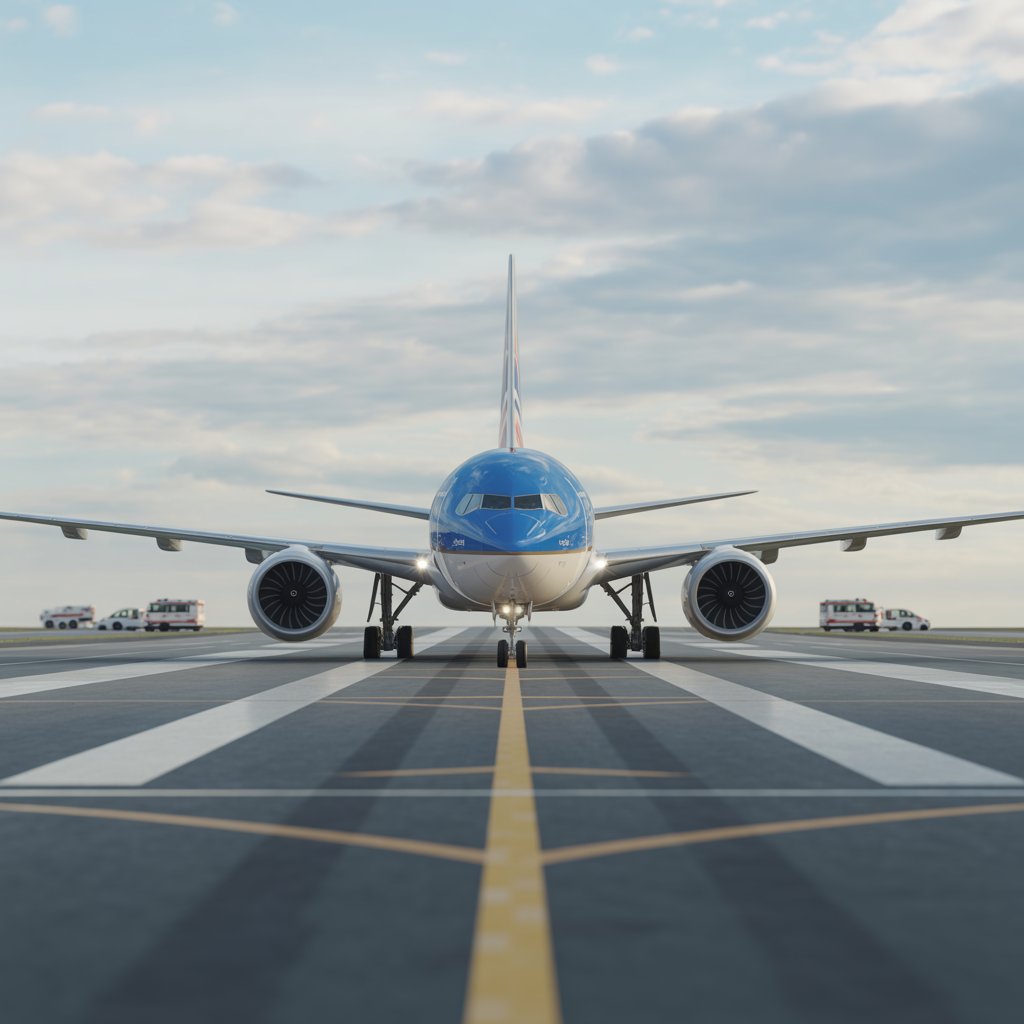
Alt text: United Airlines Boeing 787 Dreamliner parked on an airport runway
Introduction
United Airlines Flight UA770, a Boeing 787-9 Dreamliner with registration N26902, departed from Barcelona El Prat Airport (BCN) bound for Chicago O’Hare International Airport (ORD). The flight was proceeding normally over European airspace when the crew detected an anomaly. This led to the declaration of a general emergency via squawk 7700, resulting in an unscheduled landing at London Heathrow Airport (LHR). No injuries occurred, and the aircraft was inspected before resuming operations. This incident serves as a reminder of how airlines handle potential risks to ensure everyone arrives safely.
Such events, while rare, follow strict guidelines to minimize disruption. The focus remains on facts, drawing from official reports and industry standards.
What Happened to UA770?
The flight took off from Barcelona on schedule. About 90 minutes into the journey, at cruising altitude, the pilots noticed irregularities in the aircraft’s systems. They activated the emergency code, alerting air traffic control.
The plane then altered course toward London Heathrow, the nearest suitable airport for handling the situation. It landed safely on Runway 27R around 4:55 PM local time. Ground crews met the aircraft, and passengers disembarked without incident.
After a brief inspection at Gate B44, the plane was cleared. The entire process demonstrated coordinated efforts between the crew and airport authorities.
Why Did United Airlines Flight UA770 Divert?
The primary reason for the united airlines flight ua770 emergency diversion was an irregularity in the cabin pressurization system. This system maintains breathable air inside the cabin at high altitudes. Any anomaly can prompt precautionary measures.
Cabin pressurization issues are not uncommon in aviation but are taken seriously. The crew followed protocol by diverting to avoid potential escalation.
Investigations confirmed no structural damage. The diversion was a proactive step to ensure safety, aligning with FAA and EASA regulations.
Official Airline Statement
United Airlines issued a statement confirming the emergency declaration. They noted the flight diverted as a precaution due to a technical issue.
The airline emphasized passenger and crew safety as the top priority. No additional details on the exact cause were released immediately, pending review.
United also assured that affected passengers received assistance with rebooking and accommodations.
Passenger Experience During the Diversion
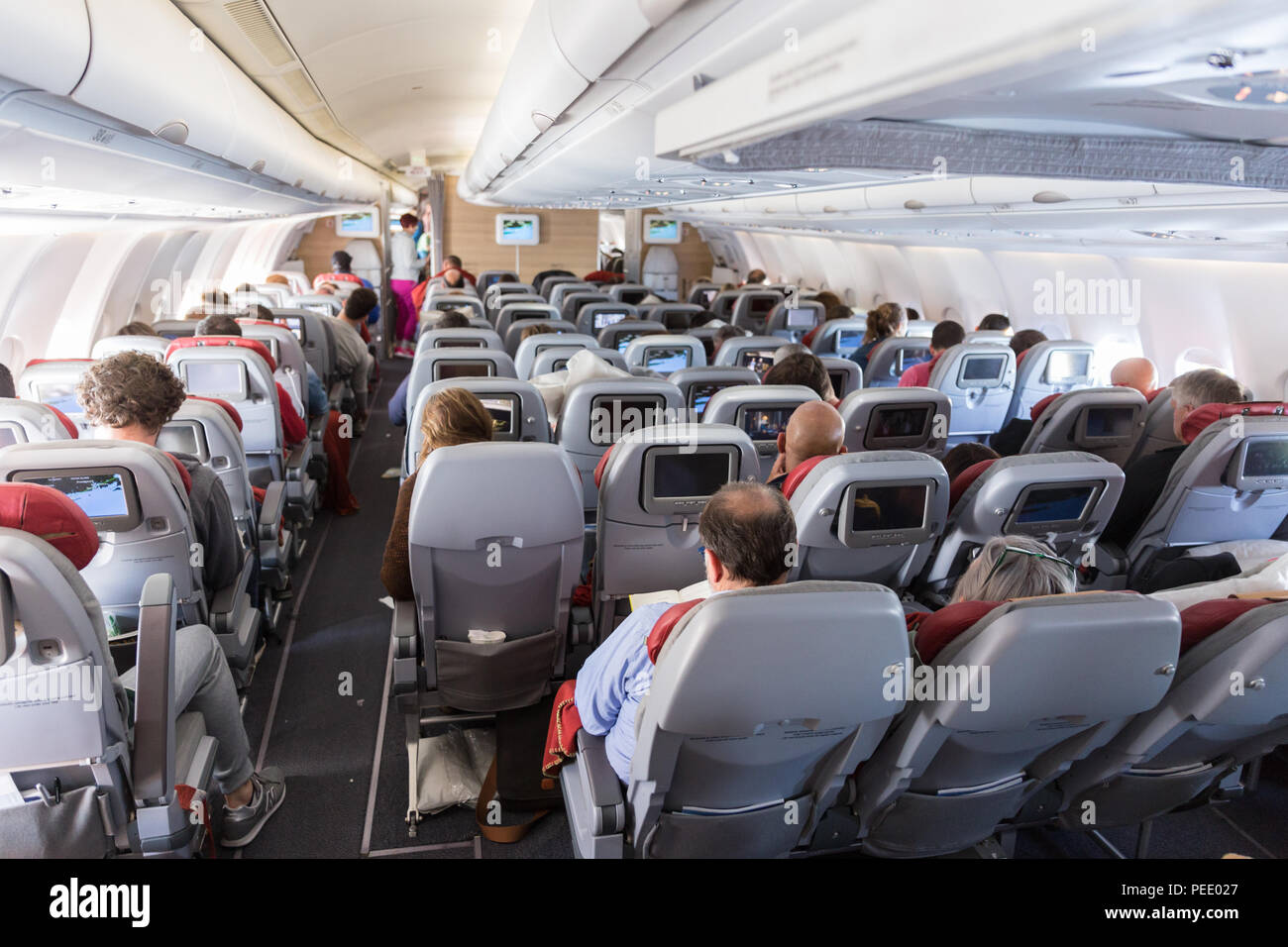
Passengers reported a calm atmosphere despite the unexpected change. The crew communicated updates, explaining the need for diversion without causing alarm.
Some experienced minor anxiety from the announcement, but no panic ensued. Upon landing, disembarkation was orderly, with ground staff providing support.
Delays led to missed connections for many, adding stress. However, the overall handling kept the focus on safety.
How Emergency Diversions Work in Commercial Aviation
Emergency diversions follow established procedures. Pilots assess the situation using onboard diagnostics and consult with ground teams.
Air traffic control clears a path to the nearest capable airport. Factors like runway length and medical facilities influence the choice.
Once on the ground, emergency response teams inspect the aircraft. This ensures quick resolution and minimal risk.
In cases like united airlines emergency landing, protocols prevent escalation. Training equips crews to manage such scenarios effectively.
Was There Any Safety Risk?
Analysis shows the risk was low. The diversion was precautionary, not due to imminent danger. Cabin pressurization anomalies can be managed with descent and diversion.
No passengers or crew were harmed. The aircraft’s design includes redundancies to handle such issues.
Industry data indicates these events rarely lead to accidents, thanks to rigorous maintenance.
How Airlines Handle Rebooking After Diversions
After a diversion, airlines prioritize rebooking. United Airlines offered alternative flights or refunds for UA770 passengers.
Ground staff assist with hotels and meals if overnight stays are needed. Apps and customer service lines speed up the process.
Policies comply with regulations like EU261 for compensation in eligible cases. This helps mitigate inconvenience.
United Airlines Safety Record & Background
United Airlines has a strong safety record, operating thousands of flights daily. The carrier invests in modern fleets and training.
Over decades, United has maintained high standards, with incidents like the ua770 flight status diversion being handled efficiently.
The airline’s background includes mergers that expanded its network, emphasizing global safety commitments.
Expert Insight on Emergency Flight Protocols
Aviation experts note that emergency landing procedures are standardized. Crews train in simulators for scenarios like flight diversion reason events.
Protocols involve checklists to identify and resolve issues. Communication with passengers is key to maintaining calm.
In the case of commercial flight diversion, decisions are data-driven, ensuring optimal outcomes.

Frequently Asked Questions
What caused the united airlines flight ua770 emergency diversion? The diversion stemmed from a detected irregularity in the cabin pressurization system. This prompted the crew to take precautionary action by landing at a nearby airport. Investigations confirmed it was a manageable issue, with no lasting impact on the aircraft. Such systems are critical for maintaining cabin air quality at altitude, and any alert triggers immediate response per safety guidelines.
How do airlines ensure passenger safety during unscheduled landings? Airlines follow strict protocols, including crew briefings and coordination with airport emergency response teams. Passengers receive clear instructions, and the aircraft is inspected thoroughly post-landing. In the UA770 case, this ensured a smooth process without injuries.
What is squawk 7700, and why was it used? Squawk 7700 is a transponder code signaling a general emergency to air traffic control. It was activated on UA770 to prioritize the flight for landing. This code helps controllers provide immediate assistance, clearing airspace as needed.
Are emergency diversions common in aviation? While not everyday occurrences, diversions happen several times weekly across the industry due to weather, technical, or medical reasons. They reflect proactive safety measures rather than failures. Statistics show most lead to safe resolutions.
How can passengers prepare for potential flight diversions? Travelers should keep essentials like medications in carry-ons and use airline apps for updates. Understanding that diversions prioritize safety can reduce stress. In events like this, flexibility with plans helps manage any delays.
Final Analysis & Conclusion
The united airlines flight ua770 emergency diversion exemplifies how aviation handles uncertainties with precision. From the initial detection of the pressurization issue to the safe landing at London Heathrow, every step prioritized safety. United Airlines’ response, including rebooking support, maintained trust.
This incident reinforces the reliability of airline safety protocols. While disruptions occur, they rarely compromise well-being. As commercial aviation evolves, such events contribute to ongoing improvements in passenger safety aviation.
Leave a Reply