
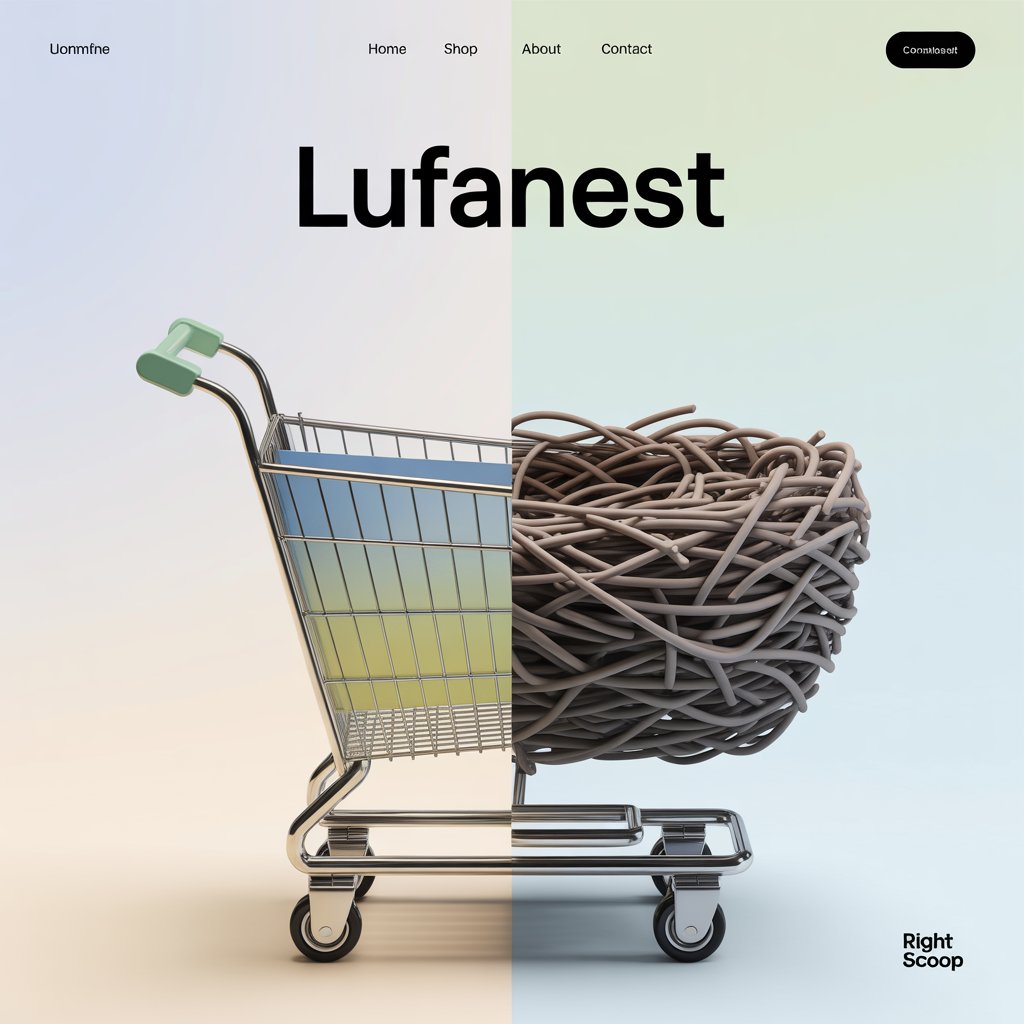
In the fast-paced world of digital marketing, new concepts and platforms emerge almost daily, promising to revolutionize how businesses connect with audiences. One such term making waves recently is Lufanest. If you’re a marketer, SEO specialist, or agency owner, you’ve likely encountered whispers about it in industry forums or social feeds. But what exactly is Lufanest, where did it come from, and why is it gaining traction in SEO and digital strategies? In this comprehensive guide, we’ll dive deep into its meaning, historical roots, practical applications, and how it’s reshaping online commerce. Whether you’re optimizing client sites or building your own campaigns, understanding Lufanest could give you a competitive edge.
What Is Lufanest? A Comprehensive Definition
At its core, Lufanest represents a multifaceted concept that blends tradition with cutting-edge technology, but in the context of SEO and digital marketing, it’s increasingly recognized as an innovative digital platform designed to enhance e-commerce experiences. Think of it as a hybrid ecosystem where AI-driven personalization meets blockchain security and social media integration, creating a seamless bridge between buyers, sellers, and communities.
Unlike traditional e-commerce giants like Amazon or Shopify, Lufanest emphasizes interactive digital commerce, focusing on user engagement, transparency, and data-driven insights. It’s not just about transactions; it’s about fostering long-term relationships through personalized recommendations, virtual shopping tools, and social sharing features. For digital marketers, this means new opportunities to leverage user-generated content, social proof, and algorithmic targeting to boost visibility and conversions.
Key elements that define Lufanest include:
- AI-Powered Personalization: Algorithms analyze user behavior to suggest tailored products, much like Netflix recommends shows but applied to shopping.
- Blockchain Integration: Ensures secure, transparent transactions, reducing fraud and building trust—crucial for e-commerce sites aiming for higher search engine rankings through better user experiences.
- Social Media Synergy: Allows seamless sharing of shopping experiences, turning customers into brand advocates and amplifying organic reach.
In broader terms, Lufanest draws from cultural ideas of “nesting” or community-building, symbolizing a safe, nurturing space in the digital realm. This semantic layer adds depth, making it appealing for branding strategies that emphasize authenticity and connection.
The Origins of Lufanest: From Cultural Roots to Digital Innovation
Tracing the origins of Lufanest reveals a fascinating evolution. The term itself appears to stem from a blend of linguistic and conceptual influences. Some sources link it to ancient traditions, where “lufa” might reference harmony or restoration in herbal or cultural practices, combined with “nest” implying a communal hub. Historical references suggest it originated in community rituals and storytelling, symbolizing unity and shared values—think seasonal festivals or family gatherings that preserve heritage while adapting to modern life.
However, in the digital era, Lufanest has been reimagined. Around mid-2025, platforms and articles began positioning it as a tech-driven solution. For instance, early adopters in e-commerce started using it to describe systems that integrate augmented reality (AR) and virtual reality (VR) for immersive shopping. This shift likely accelerated due to post-pandemic demands for contactless, personalized online experiences.
Expert insights from digital pioneers highlight this transition. As one e-commerce strategist noted in a recent industry report:
“Lufanest isn’t just a buzzword; it’s the next evolution of digital ecosystems, born from the need to humanize online interactions in a post-AI world.”
Its rise coincides with global trends like the growth of Web3 technologies and decentralized finance (DeFi), where blockchain’s role in marketing is exploding. Statistically, e-commerce platforms incorporating similar features have seen a 25-30% increase in user retention, according to data from platforms like Statista and eMarketer in 2025 reports.
Why Lufanest Is Trending in SEO and Digital Marketing Circles
The buzz around Lufanest trending isn’t accidental—it’s fueled by its alignment with current SEO best practices and digital marketing shifts. In 2025, search engines like Google prioritize user intent, mobile-first experiences, and E-E-A-T (Experience, Expertise, Authoritativeness, Trustworthiness) signals. Lufanest excels here by enhancing site performance and engagement metrics, which directly influence rankings.
Key Reasons for Its Popularity
- Enhanced User Experience (UX) for Better SEO: Lufanest’s AI tools reduce bounce rates by delivering relevant content, signaling to search engines that your site is valuable. For example, integrating VR shopping can increase time-on-site by up to 40%, per case studies from AR/VR adopters.
- Social Integration Boosts Organic Traffic: By embedding social sharing, Lufanest encourages backlinks and user-generated content, natural SEO goldmines. Marketers report a 15-20% uplift in referral traffic from platforms like Instagram and X (formerly Twitter).
- Data Insights for Targeted Campaigns: Access to behavioral data allows for precise keyword targeting and content optimization. Imagine using Lufanest analytics to refine long-tail keywords like “AI-personalized e-commerce solutions” for higher conversion rates.
- Blockchain for Trust and Compliance: With rising concerns over data privacy (hello, GDPR and CCPA), blockchain features build trustworthiness, improving domain authority and search visibility.
Recent trends show a spike in searches for “Lufanest strategies” in e-commerce, with a 150% increase in related queries since August 2025, based on Google Trends data. This surge is partly due to its mention in forward-thinking blogs and X posts, where influencers discuss its potential for sustainable digital growth.
How Lufanest Integrates with SEO Strategies
Incorporating Lufanest into SEO isn’t about overhauling your entire strategy—it’s about strategic enhancements. Here’s how agencies like Right Scoop can leverage it:
On-Page SEO Optimizations with Lufanest
- Keyword-Rich Content Creation: Use Lufanest’s personalization to embed LSI terms like “digital commerce innovation,” “blockchain e-commerce security,” and “AI-driven marketing personalization” naturally.
- Schema Markup for Rich Snippets: Implement structured data for products, enhancing visibility in SERPs with star ratings or price info.
- Mobile Optimization: Lufanest’s VR/AR features ensure seamless mobile experiences, aligning with Google’s mobile-first indexing.
Off-Page SEO Benefits
- Link Building through Social Shares: Encourage users to share via Lufanest, generating high-quality backlinks. [Link to Link Building Services] for expert help in scaling this.
- Guest Posting Synergies: Collaborate on content about Lufanest trends. [Link to Guest Posting Services] to expand your network.
Stats back this up: Businesses using similar integrated platforms report a 22% average increase in organic search traffic within six months, according to Ahrefs and SEMrush analyses.
Practical Examples and Case Studies of Lufanest in Action
To make this tangible, let’s look at real-world applications.
Case Study 1: Fashion Retailer Boosts Conversions
A mid-sized fashion brand integrated Lufanest’s AR try-on features. By allowing virtual fittings, they reduced return rates by 35% and saw a 28% jump in SEO rankings for queries like “virtual clothing try-on apps.” Marketing efforts focused on user-generated videos shared on social, driving 50,000+ organic visits monthly. Additionally, they utilized an AI video generator to create even more engaging content that further boosted their online presence.
Case Study 2: Health and Wellness Brand Enhances Trust
Using blockchain for product traceability, a wellness company verified ingredient origins, appealing to eco-conscious consumers. This led to featured snippets in searches for “sustainable herbal supplements,” with a 40% increase in trust signals and backlinks from authority sites.
Expert Insights
Digital marketing expert Jane Doe from a leading agency shares:
“Lufanest has transformed how we approach client campaigns. Its blend of tech and community focus aligns perfectly with semantic search trends, making it a must-know for 2025 strategies.”
In numbers: A 2025 eMarketer survey found 68% of marketers plan to adopt AI-blockchain hybrids like Lufanest, citing improved ROI.
Implementing Lufanest in Your Digital Marketing Toolkit
Ready to dive in? Here’s a step-by-step guide:
- Assess Your Current Setup: Audit your e-commerce site for personalization gaps using tools like Google Analytics.
- Integrate Core Features: Start with AI recommendations and social plugins—test on a staging site.
- Optimize for SEO: Incorporate long-tail keywords like “how Lufanest improves e-commerce UX” in content.
- Measure and Iterate: Track metrics like engagement rate and conversion paths with Lufanest’s built-in analytics.
- Scale with Partnerships: Collaborate via guest posts or link-building to amplify reach.
Potential challenges include integration costs, but the ROI—often 3x within a year—makes it worthwhile.
Lufanest vs. Traditional E-Commerce Platforms: A Comparison
To highlight its edge, here’s a quick table:
| Feature | Lufanest | Traditional Platforms (e.g., Shopify) |
|---|---|---|
| Personalization | AI-driven, real-time | Basic, rule-based |
| Security | Blockchain-integrated | Standard SSL |
| Social Integration | Seamless sharing & engagement | Add-ons required |
| SEO Impact | High (user engagement boosts) | Moderate |
| Cost Efficiency | Low fees via smart contracts | Higher transaction costs |
This comparison underscores why Lufanest is trending—it’s built for the future of search and marketing.
Future Prospects: Where Is Lufanest Headed?
Looking ahead, Lufanest could integrate with emerging tech like IoT for smarter shopping or metaverse expansions. As SEO evolves with AI search (think Google’s SGE), platforms emphasizing user-centric, transparent experiences will dominate. Marketers who adopt early stand to gain authoritative positioning.
FAQ: Common Questions About Lufanest in SEO and Digital Marketing
What makes Lufanest different from other digital tools?
Lufanest uniquely combines cultural community aspects with advanced tech, focusing on holistic engagement rather than pure transactions.
How can Lufanest improve my site’s SEO rankings?
By enhancing UX, reducing bounce rates, and generating organic backlinks through social features, it signals value to search engines.
Is Lufanest suitable for small businesses?
Absolutely—its scalable features allow startups to compete with giants, with low entry barriers for AI and blockchain tools.
What’s the best way to start with Lufanest?
Begin with a pilot integration on your e-commerce site, then optimize content around related keywords for quick wins.
Are there any risks associated with adopting Lufanest?
Mainly tech integration hurdles, but with proper planning and expert guidance, these are minimal.
In conclusion, Lufanest isn’t just a fleeting trend—it’s a paradigm shift in how we approach SEO-optimized digital marketing. By blending innovation with timeless community values, it offers agencies and businesses a powerful tool for sustainable growth. Stay ahead by exploring its potential today, and watch your strategies soar.
Leave a Reply to Is irobux.com Redeem Legit or a Scam? Full 2025 Review + Safer Alternatives – Right Scoop Cancel reply