

In today’s fast-evolving job market, the phrase “people over papers” is gaining traction among leaders and HR professionals. It emphasizes prioritizing individuals’ skills, character, and potential over formal credentials like degrees or certifications. This mindset shift reflects a broader recognition that what truly drives success in the workplace isn’t always found on a resume.
Why is “people over papers” trending now? Rapid technological changes and the rise of remote work have exposed gaps in traditional hiring models. Companies are realizing that academic papers often don’t predict real-world performance. Instead, focusing on practical abilities and personal qualities leads to more innovative and resilient teams.
This article delves into the philosophy behind “people over papers,” its implications for business, leadership, and hiring, and what it means for the modern workplace. We’ll explore how this approach fosters human-first leadership and competency-based hiring, while addressing potential challenges.

What Does “People Over Papers” Mean?
At its core, “people over papers” is a philosophy that values human attributes over documented qualifications. It suggests that skills over degrees and character traits like adaptability, resilience, and teamwork are more reliable indicators of success than a stack of certificates.
This phrase isn’t about dismissing education entirely. Rather, it highlights that formal credentials can sometimes overshadow a person’s true potential. In essence, it’s a call to look beyond the paperwork to the individual behind it.
Think of it as choosing talent over credentials. In a world where knowledge is accessible online, practical application often trumps theoretical learning. This mindset encourages evaluating what someone can do, not just what they’ve studied.
The Shift from Degrees to Skills
The transition from valuing degrees to emphasizing skills is reshaping industries. Traditional education systems focus on structured learning, but the modern workplace demands agility and hands-on expertise.
Skills over degrees means assessing capabilities through demonstrations, portfolios, or past achievements. For instance, a self-taught coder might outperform a computer science graduate in problem-solving tasks.
This shift is driven by the realization that degrees don’t always correlate with job performance. Many roles now require continuous learning, making lifelong skills more valuable than one-time qualifications.
Why Companies Are Rethinking Credentials
Companies are questioning credentials because the talent pool is expanding beyond traditional pathways. With global access to online resources, individuals from diverse backgrounds are acquiring practical skills without formal education.
Experience vs qualifications often reveals that seasoned workers bring insights that fresh graduates lack. Businesses face skills shortages in areas like digital marketing or data analysis, where credentials lag behind industry needs.
Rethinking credentials also promotes inclusivity. It opens doors for underrepresented groups who may not have pursued higher education due to financial or personal barriers.
Real-World Experience vs Formal Education
Real-world experience provides context that formal education often misses. While classrooms teach theories, on-the-job challenges build intuition and decision-making under pressure.
Practical skills vs academic papers highlight this divide. A mechanic with years of troubleshooting might diagnose issues faster than someone with an engineering degree but no hands-on work.
Yet, formal education offers foundational knowledge. The key is balancing both, recognizing that experience hones skills in ways textbooks cannot.
People Over Papers in Hiring Practices
Incorporating “people over papers” into hiring means revamping recruitment strategies. Job descriptions shift from listing required degrees to outlining key competencies and desired outcomes.
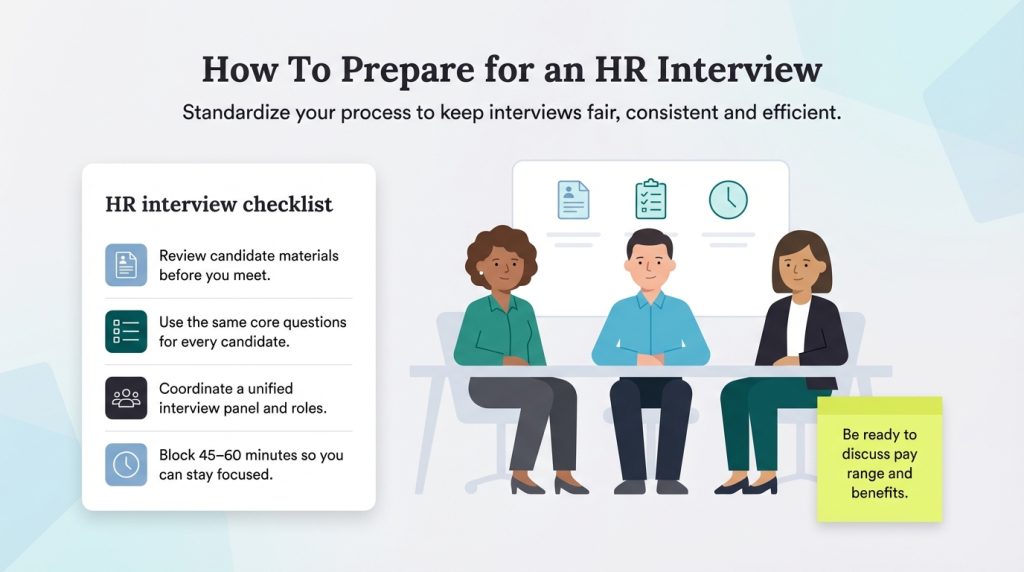
Interviews focus on behavioral questions and skill assessments rather than credential verification. This competency-based hiring uncovers hidden talents that might be overlooked by traditional filters.
Modern hiring trends like blind resumes or trial projects embody this approach. They ensure decisions are based on merit, fostering diverse and capable teams.
Leadership and Human-First Management
Leaders embracing “people over papers” adopt human-first leadership. This involves investing in employee potential and creating environments where skills can flourish regardless of background.
Such management prioritizes mentorship over hierarchy. Leaders guide teams by recognizing individual strengths, leading to higher engagement and innovation.
In workplace culture, this philosophy builds trust. When employees feel valued for who they are, not their titles, loyalty and productivity increase.
Benefits of Prioritizing People Over Papers
Adopting this mindset yields tangible advantages for organizations.
- Increased Innovation: Diverse perspectives from non-traditional hires spark creative solutions.
- Better Retention: Employees appreciated for their skills stay longer, reducing turnover costs.
- Cost Efficiency: Skipping rigid credential requirements widens the talent pool, lowering recruitment expenses.
- Enhanced Adaptability: Teams with practical skills navigate changes more effectively.
- Improved Morale: Focusing on potential boosts confidence and collaboration.
- Broader Inclusivity: It levels the playing field for underrepresented talent.
These benefits underscore why “people over papers” is more than a buzzword—it’s a strategic edge.
Challenges and Criticism of This Approach
While promising, “people over papers” isn’t without drawbacks. Critics argue it risks undervaluing specialized knowledge that degrees provide, especially in fields like medicine or law.
Implementation can be inconsistent, leading to biases if assessments aren’t standardized. Without clear criteria, hiring might favor charisma over competence.
There’s also the challenge of verifying skills without credentials. Proving experience requires robust evaluation methods, which not all companies have.
Balancing this approach means acknowledging that some roles demand formal training. It’s about integration, not elimination, of qualifications.
How Organizations Can Implement This Philosophy
To embed “people over papers,” start with a clear vision.
First, audit job postings. Remove unnecessary degree requirements and emphasize core skills.
Second, develop assessment tools. Use simulations, case studies, or portfolios to evaluate candidates.
Third, train hiring managers. Educate them on bias-free methods and the value of diverse experiences.
Fourth, foster internal growth. Offer training programs to upskill current employees, reinforcing the philosophy.
Fifth, measure outcomes. Track metrics like performance and retention to refine the approach.
Finally, communicate transparently. Share success stories to build buy-in across the organization.

People Over Papers in Education Systems
Education systems are adapting to this philosophy by incorporating skills-based learning. Curriculums now blend theory with practical projects, preparing students for real-world demands.
Vocational training and apprenticeships gain prominence, bridging the gap between classroom and career. This shift values employee potential over rote memorization.
However, challenges persist. Standardized testing still dominates, potentially clashing with skills-focused ideals. Reform requires collaboration between educators and employers.
The Future of Work and Skills-Based Hiring
Looking ahead, skills-based hiring will dominate. Automation and AI will demand adaptable workers, making “people over papers” essential.
Workplace culture will evolve toward continuous learning, where credentials are starting points, not endpoints.
This future promises more equitable opportunities, as talent over credentials becomes the norm in global markets.
Frequently Asked Questions
What is the meaning of “people over papers”? It refers to prioritizing individuals’ skills, character, and potential over formal credentials like degrees.
Why are companies shifting to skills over degrees? Rapid industry changes make practical abilities more relevant than traditional qualifications for many roles.
How does “people over papers” impact workplace culture? It fosters inclusivity and human-first leadership, leading to higher engagement and collaboration.
What are the main benefits of competency-based hiring? It widens talent pools, boosts innovation, and improves retention by focusing on real capabilities.
Are there risks in ignoring formal education? Yes, certain fields require foundational knowledge; a balanced approach is key to avoid gaps.
How can individuals prepare for a “people over papers” job market? Build portfolios, gain hands-on experience, and highlight soft skills in applications.
Final Thoughts: Is People Over Papers the Future?
As we navigate evolving work dynamics, “people over papers” emerges as a guiding principle. It champions human potential and practical skills, reshaping how we view success.
While not a one-size-fits-all solution, its emphasis on talent over credentials aligns with modern needs. Embracing this could lead to more fulfilling careers and thriving organizations.
Yes, “people over papers” likely represents the future, where what you can do matters most.
Leave a Reply