
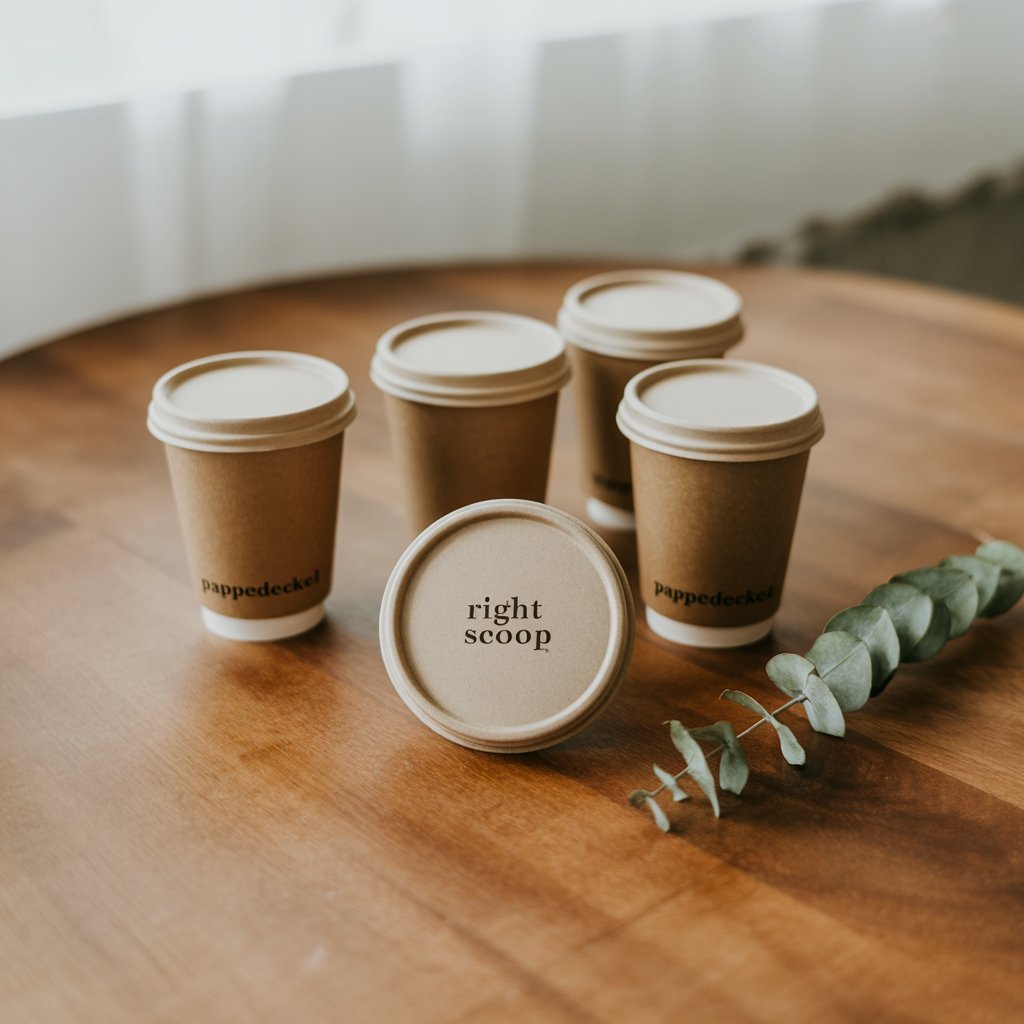
In an era where consumers are increasingly prioritizing environmental responsibility, brands are turning to innovative solutions to stand out. Sustainable packaging, particularly options like pappedeckel—those simple yet effective cardboard lids—offers more than just eco-friendliness. It’s evolving into a powerful marketing tool that boosts brand loyalty, enhances online visibility, and drives sales. As we step into 2025, with global sustainability regulations tightening and consumer demands for green products at an all-time high, understanding how to leverage these materials can give your business a competitive edge. This post dives deep into why pappedeckel and similar sustainable packaging are not just trends but essential strategies for forward-thinking marketers.
Understanding Pappedeckel: The Eco-Friendly Packaging Hero
Pappedeckel, a term rooted in German meaning “cardboard lid,” refers to paperboard covers designed to seal containers such as cups, jars, and food boxes. These lids are typically made from renewable, recyclable materials like cardboard or paper pulp, making them a biodegradable alternative to plastic lids. Unlike traditional packaging that contributes to landfill waste, pappedeckel decomposes naturally, reducing environmental impact while maintaining functionality for everyday use in food, beverage, and e-commerce sectors.
What sets pappedeckel apart is its versatility. It’s commonly used in:
- Takeaway food containers for sauces, soups, or salads, ensuring spill-proof transport.
- Beverage packaging, like sealing organic juice bottles or coffee cups.
- E-commerce shipments, where it serves as protective covers for subscription boxes or fragile items.
In 2025, as the sustainable packaging market is projected to reach $423.56 billion by 2029, pappedeckel exemplifies how small changes in material choice can lead to big wins in brand perception. Brands adopting these lids aren’t just complying with eco-standards; they’re crafting narratives around sustainability that resonate with audiences searching for terms like “biodegradable food packaging” or “eco-friendly container lids.”
From a digital marketing perspective, incorporating pappedeckel into your product line opens doors to SEO opportunities. By optimizing content around long-tail keywords such as “sustainable cardboard lids for coffee cups” or “recyclable packaging solutions for takeaways,” you can attract organic traffic from environmentally conscious shoppers. [Link to Link Building Services] can help amplify this by securing backlinks from green lifestyle blogs, further establishing your authority.
The Surge of Sustainable Packaging Trends in 2025
2025 marks a pivotal year for sustainable packaging, driven by regulatory pressures, technological advancements, and shifting consumer behaviors. According to recent insights, the industry is focusing on materials that minimize plastic use, with paper-based options like pappedeckel leading the charge.
Key Trends Shaping the Landscape
- Shift to Recyclable and Compostable Materials: With 54% of consumers preferring packaging that’s recyclable, compostable, or reusable, brands are ditching single-use plastics for paper alternatives. Pappedeckel fits perfectly here, as it’s often made from recycled paper and can be curbside recycled in most areas.
- Minimalist and Zero-Waste Designs: Trends lean toward reducing excess material, with minimalist packaging cutting down on waste and shipping costs. For instance, pappedeckel lids eliminate the need for bulky plastic seals, appealing to e-commerce brands aiming for sleeker, more efficient boxes.
- Bio-Based Innovations: Expect more integration of plant-based elements, like starch or seaweed-infused paper, enhancing biodegradability. This aligns with pappedeckel’s core—simple cardboard that’s evolving with coatings for better durability against moisture.
- Smart Packaging Integration: QR codes on pappedeckel lids could link to recycling instructions or brand stories, blending sustainability with interactive marketing.
These trends aren’t isolated; they’re interconnected with broader environmental goals. A McKinsey report highlights that nearly 70% of US consumers hold brands responsible for sustainable packaging, pushing companies to innovate or risk losing market share. For digital marketers, this means optimizing websites with content clusters around “2025 eco-packaging trends” to capture search intent.
“Sustainability isn’t a buzzword anymore—it’s a business imperative. Brands that ignore it will see their competitors pull ahead in both sales and search rankings.” – Packaging Industry Expert, 2025 Trends Report
Marketing Advantages of Embracing Pappedeckel-Like Sustainable Packaging
Switching to sustainable packaging like pappedeckel isn’t just about going green; it’s a savvy marketing move that enhances brand image, fosters customer loyalty, and even improves SEO performance. Here’s how:
Boosting Brand Reputation and Loyalty
Consumers today are vocal about their values. Statistics show that 70% of shoppers choose products based on packaging sustainability, with 78% actively seeking recyclable options. By using pappedeckel, brands signal commitment to the planet, which translates to positive word-of-mouth and repeat purchases. This eco-alignment can increase customer retention by up to 20%, as loyal buyers share their experiences on social media.
From an SEO standpoint, user-generated content around your sustainable efforts—like reviews mentioning “eco-friendly cardboard lids”—can improve domain authority. Pair this with on sustainability-focused sites to build credible backlinks.
Attracting Eco-Conscious Consumers
With 92% of shoppers considering sustainability when choosing brands, pappedeckel helps target this demographic. Long-tail searches like “brands with biodegradable packaging for food delivery” are on the rise, and featuring pappedeckel in product descriptions can rank higher in results. Moreover, 49% of US consumers avoid excessive packaging, making minimalist pappedeckel designs a direct appeal.
Cost Savings and Operational Efficiency
While initial switches might seem costly, sustainable materials often reduce long-term expenses. Pappedeckel, being lightweight, lowers shipping fees, and its recyclability complies with emerging laws like extended producer responsibility (EPR) programs. Businesses report up to 15% savings in logistics, freeing budgets for marketing campaigns.
Enhancing Online Visibility Through Content Marketing
Create blog series on “how pappedeckel reduces plastic waste” to incorporate LSI terms like “green packaging solutions” and “sustainable food container lids.” This not only educates but also optimizes for voice search queries, a growing trend in 2025.
In essence, pappedeckel turns packaging into a storytelling asset, where every lid tells a tale of responsibility.
Real-World Case Studies: Brands Winning with Sustainable Packaging
To illustrate the impact, let’s examine brands that have successfully integrated pappedeckel-like solutions.
Case Study 1: A Beverage Brand’s Organic Juice Revolution
One organic juice company replaced plastic caps with pappedeckel lids, resulting in a 30% reduction in plastic waste. Marketing-wise, they launched a campaign highlighting the change, using hashtags like #EcoLids and user-generated content. Sales surged 25%, with social media engagement doubling. This shows how pappedeckel can fuel viral marketing.
Case Study 2: IKEA’s Mushroom-Based Packaging Pivot
While not exclusively pappedeckel, IKEA’s shift to biodegradable mushroom packaging for furniture parts mirrors the approach. By promoting it through email newsletters and SEO-optimized pages, they saw a 15% uplift in brand favorability among millennials.
Case Study 3: Dermalogica’s Skincare Sustainability Drive
Skincare brand Dermalogica adopted paper-based lids for their products, aligning with bold sustainability goals. Their digital strategy included influencer partnerships and content around “recyclable beauty packaging,” leading to a 20% increase in online traffic.
Case Study 4: Amazon’s Waste-Reduction Initiatives
Amazon’s frustration-free packaging, incorporating paper lids for smaller items, reduced material use by millions of tons. Marketed via case studies on their site, it positioned them as leaders, enhancing SEO for “sustainable e-commerce packaging.”
These examples underscore that pappedeckel isn’t just functional—it’s a catalyst for marketing success.
Integrating Pappedeckel into Your Digital Marketing Strategy
Ready to make the switch? Here’s a step-by-step guide:
- Assess Your Current Packaging: Audit for plastic-heavy elements and identify where pappedeckel can replace them, like in food delivery kits.
- Develop a Narrative: Craft stories around your commitment, using blogs and videos optimized for keywords like “cardboard lid sustainability benefits.”
- Leverage SEO and Content: Build pillar pages on sustainable packaging, linking to services like [Link to Guest Posting Services] for broader reach.
- Engage on Social Media: Share before-and-after visuals of pappedeckel adoption to encourage shares and backlinks via Link Building Services.
- Measure Impact: Track metrics like organic traffic growth and conversion rates from eco-focused campaigns.
By 2025, brands ignoring this will fall behind, as 82% of consumers favor eco-conscious companies.
Overcoming Challenges in Adopting Sustainable Packaging
No transition is seamless. Common hurdles include higher upfront costs and supply chain reliability. Solutions? Start small with pilot programs, partner with certified suppliers, and use data to justify ROI through marketing gains.
Durability concerns with pappedeckel can be addressed with water-resistant coatings, ensuring it meets consumer expectations without compromising eco-credentials.
FAQ: Answering Your Questions on Pappedeckel and Sustainable Packaging
What Makes Pappedeckel More Sustainable Than Plastic Lids?
Pappedeckel is made from renewable paper sources, biodegradable, and recyclable, unlike plastics that persist for centuries.
How Can Sustainable Packaging Improve My SEO?
By creating content around related terms like “eco-friendly packaging strategies,” you attract targeted traffic and earn backlinks.
Are There Cost Benefits to Using Pappedeckel?
Yes, lighter weight reduces shipping costs, and long-term savings from waste reduction can offset initial investments.
Which Industries Benefit Most from Pappedeckel?
Food and beverage, e-commerce, and cosmetics see the biggest gains due to high consumer visibility.
How Do Consumers Perceive Brands Using Sustainable Packaging?
Positively—70% are more likely to purchase from them, enhancing loyalty and reviews.
Conclusion: Embrace Pappedeckel for a Greener, More Profitable Future
As 2025 unfolds, sustainable packaging like pappedeckel isn’t optional—it’s a strategic imperative that aligns environmental stewardship with marketing prowess. By adopting these solutions, brands can reduce their footprint, captivate audiences, and climb search rankings. Whether you’re in food service or online retail, the time to innovate is now. Start small, measure results, and watch your brand thrive in this eco-driven landscape.
Leave a Reply