
When google deletes apps from play store, it sends ripples through the Android ecosystem. This action isn’t arbitrary—it’s a deliberate move to safeguard users and maintain platform integrity. As an Android user or developer, understanding this process is crucial in today’s digital landscape, where app security and compliance are paramount.
Featured Snippet: What Does It Mean When Google Deletes Apps from Play Store?
Google deletes apps from Play Store to enforce strict guidelines, removing those that violate policies on malware, spam, privacy breaches, or quality standards. In 2024 alone, over 2.36 million apps were purged, protecting billions of users from potential harm while ensuring a trustworthy marketplace. This ongoing cleanup enhances Android app security but can disrupt developers and end-users alike.
Introduction: What It Means When Google Deletes Apps from Play Store
The Google Play Store serves as the primary hub for Android apps, hosting millions of applications for everything from productivity to entertainment. But not all apps make the cut long-term. When google deletes apps from play store, it essentially removes them from public access, preventing new downloads and often halting updates for existing installations.
This practice has intensified in recent years, driven by evolving threats like sophisticated malware and increasing regulatory pressures. For Android users, it means potentially losing access to familiar tools overnight. App developers face revenue losses and reputational damage, while tech bloggers and digital marketers must stay vigilant about shifting platform dynamics.
At its core, these deletions aim to create a safer, more reliable environment. Google’s automated systems and human reviewers scan apps continuously, flagging issues that could compromise user data or device performance. In the first 100 words of this article, we’ve already touched on why google deletes apps from play store—it’s about protection, not punishment.

Why Google Deletes Apps from Play Store
Google’s app removal process is rooted in maintaining a high-quality, secure marketplace. The company employs advanced AI tools alongside manual reviews to identify problematic apps. Here are the primary reasons:
- Policy Violations: Apps that breach Google’s developer guidelines, such as misleading users or failing to disclose data collection practices, are prime targets. For instance, apps masquerading as legitimate services but harvesting personal information without consent get swiftly removed.
- Security Risks: If an app contains vulnerabilities that could be exploited by hackers, it’s gone. This includes apps with outdated code that might allow unauthorized access to device features like cameras or contacts.
- Spam and Low-Quality Content: Flooding the store with duplicate or poorly designed apps dilutes user experience. Google cracks down on spam, including those using deceptive keywords or fake reviews to boost visibility.
- Malware and Harmful Software: The most severe category involves apps infected with malware, adware, or Trojans. These can steal data, display unwanted ads, or even ransomware your device.
In 2024, Google blocked 158,000 developer accounts for repeated offenses, underscoring their zero-tolerance stance. These actions align with broader Android app security goals, preventing widespread harm.
Latest Examples and Updates (2024–2025 Context)
The past two years have seen aggressive enforcement, with google deletes apps from play store hitting record numbers. By mid-2025, the Play Store had lost nearly 47% of its apps since early 2024, dropping from 3.4 million to around 1.6 million. This massive purge focused on outdated and non-compliant apps, including 200,000 games.
Key recent cases include:
- August 2025 Malware Sweep: Google removed 77 malicious apps infected with adware and banking Trojans, affecting millions of downloads. These apps, ranging from utilities to games, were designed to spy on users or inject unwanted ads.
- North Korean Spy Apps (March 2025): Five apps linked to North Korean espionage were deleted after being flagged for data exfiltration. Disguised as harmless tools, they targeted sensitive information.
- Indian App Billing Dispute (Early 2024): Popular apps like BharatMatrimony, Naukri, and Shaadi.com were temporarily removed over Google’s Play Billing System disputes. This highlighted tensions between Google and local developers.
- Ongoing 2025 Cleanups: Another batch of 19 million installs involved malicious apps, including those adding fake contacts to spoof legitimacy.
| Year | Number of Apps Removed | Key Reasons | Notable Examples |
|---|---|---|---|
| 2024 | 2.36 million | Policy violations, malware | Fake loan apps, billing non-compliant Indian apps |
| 2025 | Over 1.8 million (year-to-date) | Outdated apps, security threats | 77 adware/Trojan apps, North Korean spies |
These updates reflect Google’s commitment to combating Play Store banned apps, with AI-driven detections improving yearly.
How App Removals Affect Users
For everyday Android users, when google deletes apps from play store, the fallout can be frustrating and risky. Installed apps might stop receiving updates, leaving them vulnerable to exploits. New users can’t download them, forcing a search for alternatives.
Security is a big concern: If a removed app harbors malware, it could continue harming your device until uninstalled. Google often pushes notifications via Play Protect to alert users. Data privacy suffers too, as rogue apps might have already leaked personal info.
On the positive side, removals enhance overall ecosystem trust. Users benefit from fewer scams, but they must adapt—perhaps by sideloading apps, though that’s not recommended due to added risks.
How App Removals Affect Developers
App developers bear the brunt when google deletes apps from play store. A removal can erase months of work, cutting off revenue streams from in-app purchases or ads. For startups, this is devastating—losing visibility in a crowded market.
Reputation takes a hit too. Users might view the developer as untrustworthy, leading to negative reviews on remaining apps. In severe cases, entire accounts are banned, as seen with 158,000 in 2024.
Digital marketers relying on app promotions face campaign disruptions, while tech bloggers often cover these stories to warn audiences. Developers can appeal decisions, but success rates vary, emphasizing the need for proactive compliance.
Google Play Store Policies Explained (Simplified)
Navigating Google Play Store policy can feel overwhelming, but it’s straightforward at heart. Key areas include:
- Content Guidelines: No hate speech, violence, or illegal activities. Apps must be family-friendly where applicable.
- Privacy and Data Handling: Transparent data collection with user consent. Violations like undisclosed tracking lead to swift Google app policy violation strikes.
- Functionality Requirements: Apps must work as advertised, without crashes or deceptive features.
- Monetization Rules: Fair billing practices, no hidden fees. The Google Play Billing System mandates using Google’s payment processing for digital goods.
- Security Standards: Regular updates to patch vulnerabilities; no malware allowed.
These policies evolve—check Google’s developer portal for updates. For deeper dives, explore our internal guide on [Google Play Store policy changes].
How Users Can Stay Safe from Harmful Apps
Staying protected in the era of removed apps from Play Store requires vigilance. Here’s how:
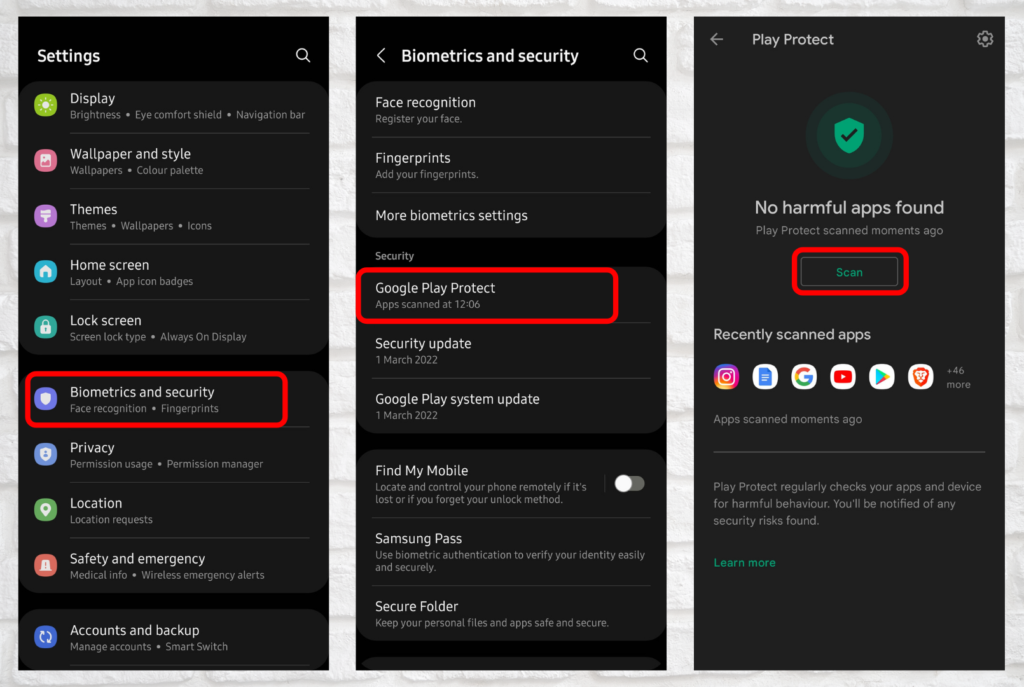
- Enable Play Protect: Google’s built-in scanner checks apps for threats. Access it via Play Store settings.
- Review Permissions: Before installing, scrutinize what an app requests. Does a flashlight need your contacts?
- Check Reviews and Ratings: Look for patterns in user feedback. Avoid apps with sudden review spikes.
- Update Regularly: Keep your device and apps current to benefit from security patches.
- Avoid Sideloading: Stick to official sources unless necessary.
For more tips, see our article on [Android app security best practices].
What Developers Should Do to Avoid App Removal
To steer clear of google deletes apps from play store, developers must prioritize compliance from day one.
- Follow Guidelines Religiously: Read and adhere to Google’s policies. Use tools like the Policy Center for checks.
- Test Thoroughly: Employ beta testing and security audits to catch issues early.
- Update Frequently: Keep apps fresh with bug fixes and feature enhancements.
- Handle User Data Ethically: Implement privacy-by-design principles.
- Monitor Analytics: Watch for unusual activity that might flag your app.
Tech bloggers can help by sharing success stories, while digital marketers should focus on ethical promotion tactics.
Common Myths and Misconceptions
Several myths surround google deletes apps from play store. Let’s debunk them:
- Myth: Deletions Are Random. Reality: They’re based on clear violations, often after warnings.
- Myth: Only Small Developers Get Hit. Reality: Even big names face scrutiny if they slip up.
- Myth: Removed Apps Are Always Malicious. Reality: Some are deleted for minor issues like outdated SDKs.
- Myth: Appeals Never Work. Reality: Valid appeals can reinstate apps, though it’s not guaranteed.
Understanding these clears up confusion in the tech community.
FAQs about Google Deletes Apps from Play Store
Why does Google delete apps from Play Store without warning?
Google often provides warnings via email, but severe violations like malware lead to immediate removal to protect users.
Can I still use an app after Google deletes it from Play Store?
Yes, if it’s already installed, but updates stop, increasing security risks. Uninstall if flagged harmful.
How do I know if my app violates Google Play Store policy?
Use Google’s pre-launch report and policy checker tools during development.
What are some recent Play Store banned apps?
In 2025, 77 apps with Trojans were removed; in 2024, fake loan apps topped the list.
How can developers appeal an app removal?
Submit an appeal through the Google Play Console, providing evidence of compliance.
Does Google delete apps from Play Store for competition reasons?
No, deletions are policy-based, not competitive. Antitrust scrutiny ensures fairness.
Conclusion with Key Takeaways
In summary, when google deletes apps from play store, it’s a vital mechanism for upholding Android app security and quality. From policy violations to malware threats, these actions protect users while challenging developers to maintain high standards.
Key takeaways:
- Stay informed on Google Play Store policy to avoid pitfalls.
- Users: Prioritize security features like Play Protect.
- Developers: Focus on ethical practices and regular updates.
- Overall, this process fosters a healthier ecosystem.
For further reading, check our guides on Google AI Mode or Search Engine Positioning Guide. Stay safe in the digital world.
Leave a Reply