
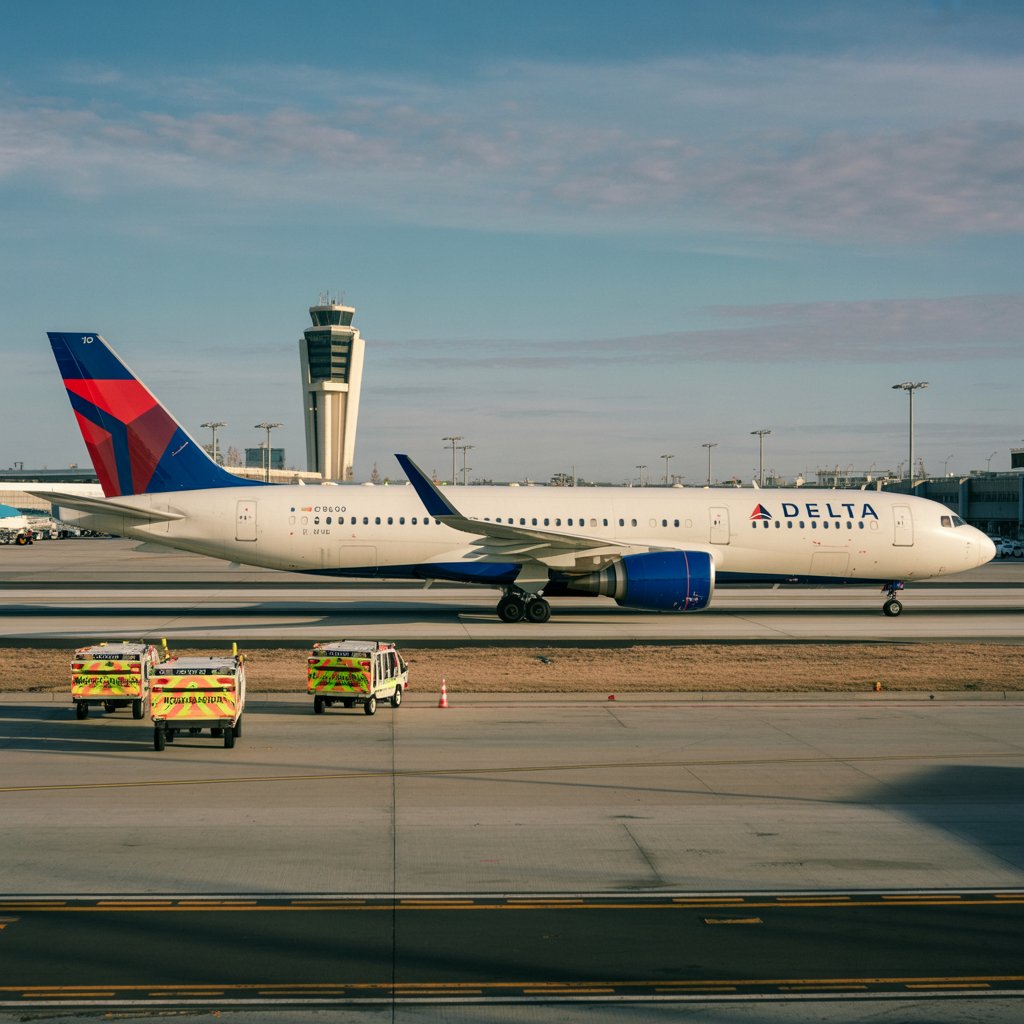
A long-haul Delta flight from Detroit to Tokyo became an unexpected 12-hour detour when pilots diverted to Los Angeles International Airport. On May 27, 2025, Delta Flight DL275 — an Airbus A350-900 operating a routine transpacific route — turned back after detecting a fault in a key aircraft system.
Hundreds of passengers, many bound for business meetings or vacations in Japan, suddenly found themselves landing in Southern California instead of Haneda. The incident, while safely resolved, disrupted travel plans and highlighted the strict safety-first approach that defines modern commercial aviation.
Diversions like this one involving delta flight dl275 diverted lax are uncommon but demonstrate how crews and airlines prioritize passenger safety over schedules. No injuries occurred, yet the event triggered widespread questions about causes, procedures, and ripple effects.
Drawing from aviation incident reporting, flight tracking data, and industry standards, this in-depth report examines what went wrong, how it was handled, and what it reveals about flying safety in 2025.
Incident Overview
Delta Flight DL275 connects Detroit Metropolitan Wayne County Airport (DTW) to Tokyo Haneda (HND), covering roughly 6,400 miles in about 13 hours and 10 minutes. It’s a flagship route in Delta’s Asia-Pacific network.
The aircraft was an Airbus A350-900 (registration details align with fleet records for similar events), powered by Rolls-Royce Trent XWB engines and configured for 300+ passengers in a mix of premium and economy seating.
Departure occurred at 15:53 local time from DTW, delayed nearly two hours from the original schedule due to incoming aircraft issues. The flight proceeded normally during initial climb and cruise.
Midway over the Bering Sea — approximately 620 nautical miles southwest of Anchorage at around 38,000 feet — the crew received an alert regarding the engine anti-ice system. This prompted an immediate decision to divert rather than press on across the ocean.
The aircraft executed a southeast turn toward LAX, landing safely on Runway 06R shortly after 1:00 a.m. local time on May 28, 2025. Total airborne time reached 12 hours and 15 minutes — nearly matching the planned Tokyo duration.
Delta confirmed the crew followed protocol, with no risk to safety. The plane was grounded for inspection, and passengers received re-accommodation support.
Why Was Delta Flight DL275 Diverted LAX?
The primary trigger was a malfunction in the engine anti-ice system, essential for preventing ice accumulation on engine inlets during cold, high-altitude cruise. On transpacific flights, this system protects against sudden temperature drops or moisture that could impair engine performance.
Pilots detected abnormal indications mid-flight, triggering cockpit warnings. Continuing posed a low but unacceptable risk, especially over remote oceanic areas with limited diversion options.
Weather was not a major factor; reports point squarely to the technical issue. Medical emergencies and air traffic problems were absent.
Aviation safety measures mandate precautionary action for such faults. FAA procedures require crews to select the nearest suitable airport with adequate maintenance capability. LAX — a major Delta hub with extensive facilities, long runways, and 24/7 support — was the logical choice over returning to Detroit or other West Coast options.
The airline’s response included immediate aircraft inspection upon landing. Engineers ran diagnostics on the affected system before clearing the plane.
This case aligns with flight diversion protocol, where passenger safety supersedes schedule adherence. In-flight issues like this are addressed through redundant systems and vigilant monitoring.
Passenger Experience & Onboard Situation
Passengers described a calm yet tense atmosphere once the diversion was announced. Crew communicated clearly, explaining the technical nature without unnecessary alarm.
Extra refreshments helped ease discomfort during the extended flight. Safety briefings reinforced seatbelt use amid the course change.
Reactions ranged from frustration over missed connections to appreciation for the professional handling. Social media reflected relief at the safe outcome.
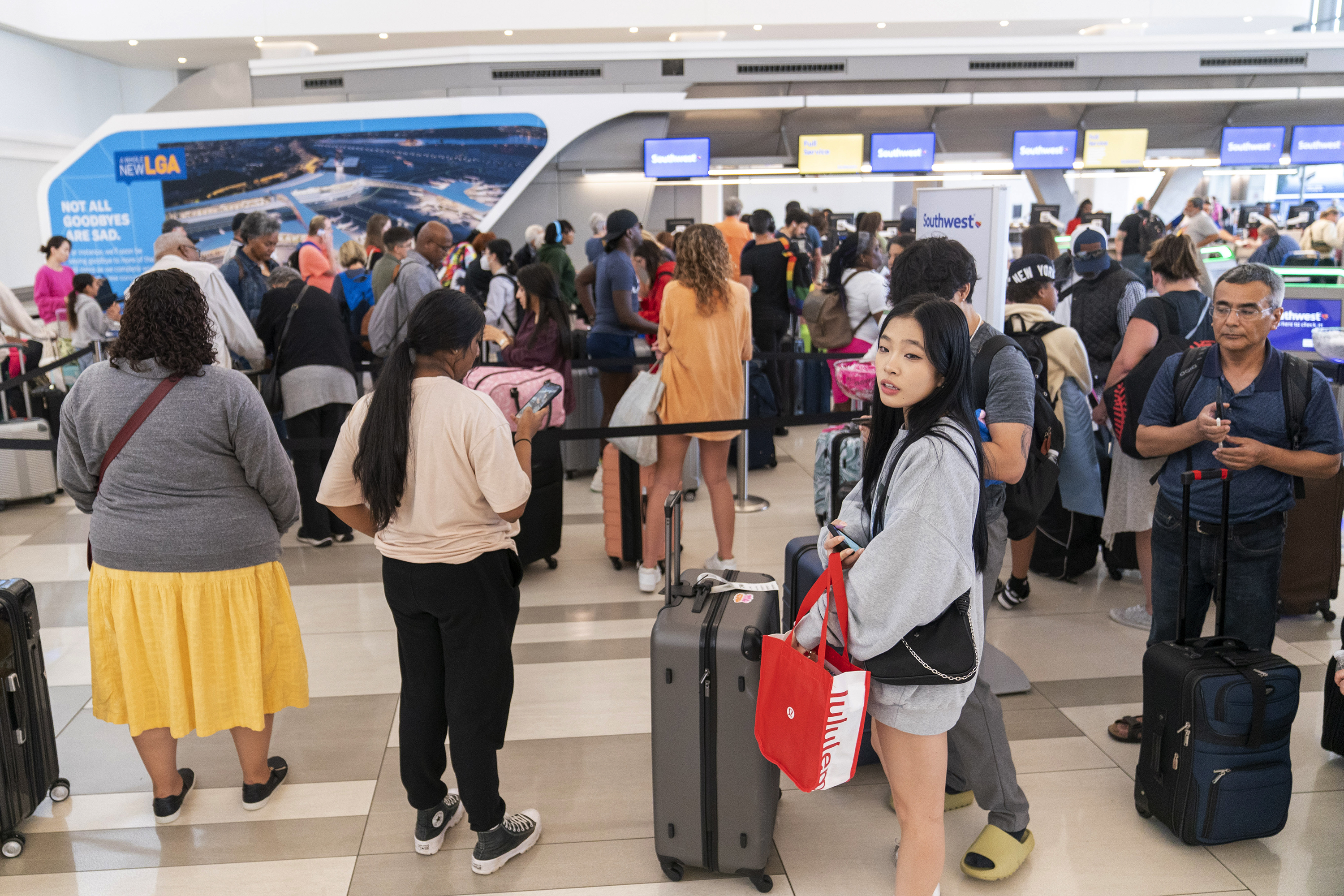
At LAX, deplaning proceeded smoothly despite the late hour. Ground staff arranged hotels, meals, and rebooking — often onto the next available Tokyo flight or alternative routings.
The experience reinforced crew training’s value: clear updates and empathy turn potential chaos into manageable disruption.
Aircraft at Los Angeles International Airport

Aviation Safety & FAA Procedures Explained
Diversion decisions rest with the captain, balancing real-time data from onboard systems, dispatch input, and weather forecasts.
The “aviate, navigate, communicate” priority guides pilots: maintain control first, then reroute safely, and finally update ATC and passengers.
Air traffic control grants priority clearance, vectoring the flight to avoid conflicts. LAX controllers handled the arrival efficiently in low-traffic overnight conditions.
Post-landing, maintenance checks are exhaustive. For engine anti-ice faults, inspections verify no underlying damage before return-to-service approval.
FAA oversight ensures compliance. Redundancies in modern jets like the A350 allow safe continuation or diversion without panic.
These layered protections explain aviation’s exceptional safety record — incidents are rare, and outcomes are controlled.
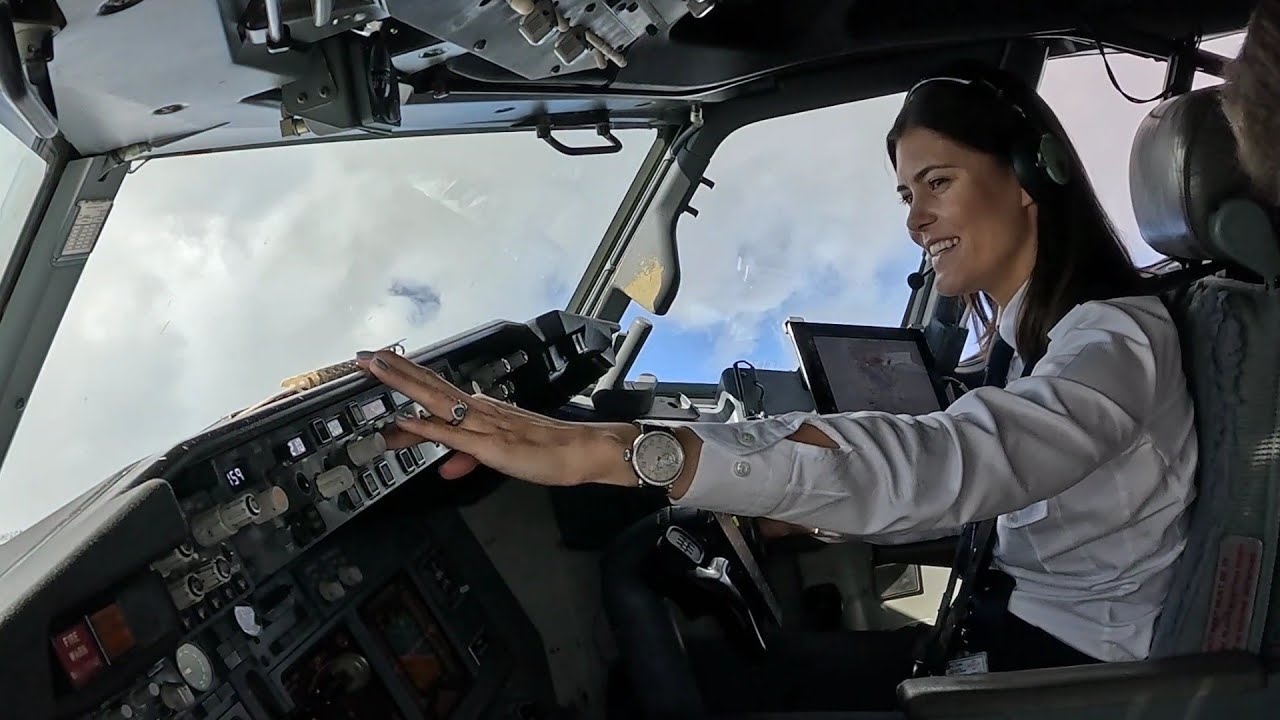
Inside the Cockpit During Flight Operations
Impact on Flight Schedules & Travelers
The diversion created network ripples. The affected A350 was unavailable for its return leg, forcing aircraft swaps and cancellations.
Passengers faced significant delays — some waited 24+ hours for onward travel. Rebooking prioritized Tokyo-bound flyers, but options thinned on peak routes.
Delta’s policy for controllable disruptions (mechanical issues) typically covers hotels, meals, ground transport, and possible compensation vouchers or partial refunds.
Travel insurance often fills gaps for additional costs. Many passengers highlighted the importance of flexible itineraries.
Passengers Waiting at LAX Terminal
Industry Perspective: Are Diversions Common?
Diversions represent about 0.2% of U.S. commercial flights annually — thousands occur, yet most resolve uneventfully.
Mechanical issues rank behind medical emergencies but ahead of weather in some datasets. Long-haul oceanic flights carry higher diversion stakes due to distance.
Airlines invest heavily in predictive maintenance, using sensors and analytics to catch faults early. Transparency via flight trackers builds public confidence.
These events are proactive safety tools, not failures. They prevent escalation and reinforce trust in aviation systems.
FAQ
Why was Delta Flight DL275 diverted to LAX?
The diversion occurred due to a malfunction in the engine anti-ice system, detected during cruise over the Bering Sea on May 27, 2025. This system prevents ice buildup on engines at high altitudes. Pilots prioritized safety, opting for LAX — a well-equipped Delta hub — over continuing to Tokyo or returning to Detroit. The Airbus A350 landed safely after about five additional hours airborne. Delta confirmed the precautionary action followed standard protocols, with no injuries. Such decisions reflect aviation’s zero-tolerance approach to potential risks on long-haul routes.
Was Delta flight DL275 an emergency?
It was a precautionary diversion, not a full Mayday emergency. The aircraft remained fully controllable, with no immediate threat like fire or loss of power. Crews declared urgency for priority handling, but the situation stayed managed. FAA distinctions separate urgent diversions from critical emergencies; this fell into the former category. Passengers noted professional handling, underscoring controlled responses to in-flight technical alerts.
What happens when a flight is diverted?
Pilots stabilize the aircraft, select a suitable alternate (often the nearest with facilities), and coordinate with ATC for clearance. Passengers receive cabin updates while crew maintains calm. On ground, teams manage deplaning, customs (if international), hotels, meals, and re-accommodation. The aircraft undergoes required inspections. Compensation varies by cause — mechanical issues often qualify for support under airline and DOT rules. The process emphasizes safety and passenger welfare.
Are passengers compensated after flight diversion?
For mechanical diversions like Delta Flight DL275 diverted to LAX, passengers typically receive hotels, meals, transport, and possible vouchers or refunds for significant inconvenience. U.S. rules cover “controllable” disruptions, though amounts vary. International regulations (e.g., if EU-applicable) may provide fixed compensation. Delta provided immediate aid here. Travelers should document expenses and file claims; insurance supplements coverage when airline responsibility is clear.
How safe are diverted flights?
Extremely safe — diversion is a deliberate safety enhancement. Protocols, redundancies, and crew training ensure controlled outcomes. Statistics show diversions in under 0.2% of flights, with nearly all resolving without incident. Post-event checks add layers of assurance. Aviation’s record remains superior to other transport, thanks to transparency and rigorous standards. Events like this reinforce, rather than undermine, confidence in flying.
Conclusion
The diversion of delta flight dl275 diverted lax on May 27, 2025, stemmed from a prudent response to an engine anti-ice system fault — a textbook example of safety prevailing over convenience. The safe landing, efficient ground handling, and transparent airline communication minimized harm despite the disruption.
This incident reaffirms aviation’s core principle: err on caution. Through advanced technology, trained crews, and strict FAA procedures, risks stay managed. Travelers can board with confidence knowing such events protect lives above all.
In an unpredictable world, these protocols deliver reliability — one diversion at a time.
Leave a Reply