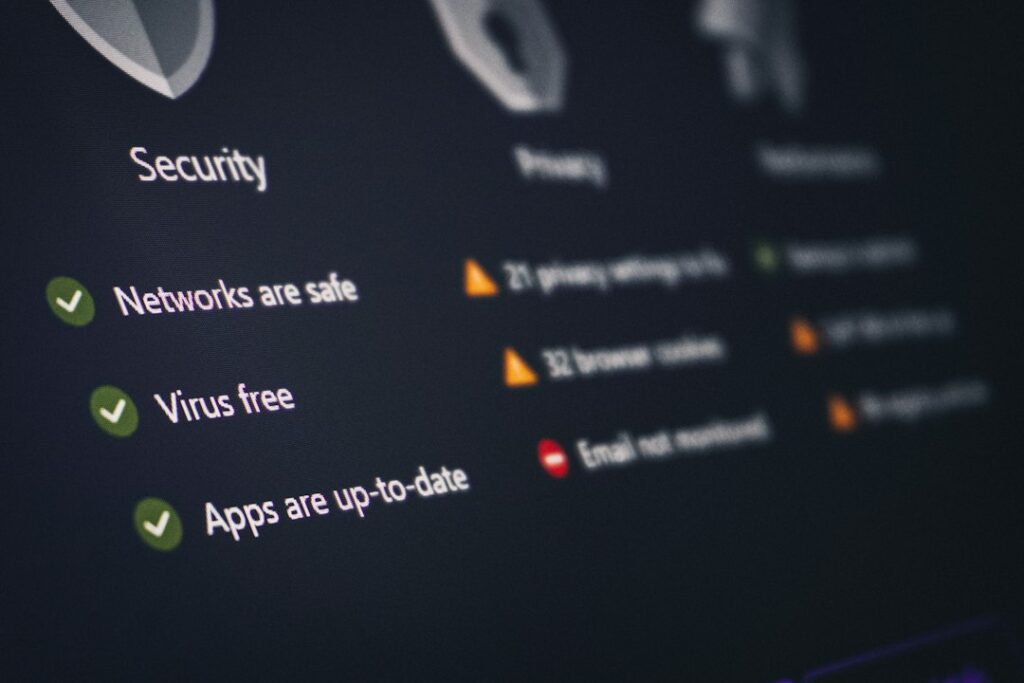
Computer virus prevention starts with installing reputable antivirus software and keeping it up to date.
Key Takeaways
- Use a trusted antivirus program and enable real‑time protection.
- Regularly apply operating system and application updates.
- Practice safe email and web habits to avoid malicious content.
- Configure built‑in Windows security features like SmartScreen.
- Back up important data and consider a recovery tool.

Which Antivirus Software Should I Choose?
Choosing the right security suite is the first line of defense. The PCMag review of 2026 tested more than two dozen utilities and highlighted those that protect personal information, data, and bank accounts. Look for features such as real‑time scanning, web protection, and automatic updates. Microsoft Defender, built into Windows, offers baseline protection, but a third‑party solution often adds layered defenses.
How Often Should I Update My Software?
Both the operating system and installed applications release patches to close security gaps. Set Windows Update to install automatically and check for updates weekly for other programs. Missing a critical patch can leave you exposed to known exploits that malware authors target.
What Email Practices Reduce Virus Risk?
Phishing emails remain a major infection vector. Minitool advises not to open emails from unfamiliar senders and to verify links before clicking. If an attachment looks suspicious, scan it with your antivirus before opening.
How Can I Browse Safely?
Visiting untrusted websites can trigger drive‑by downloads. Use a browser that supports built‑in security extensions, and enable features like pop‑up blockers. Adjust security settings to block unsafe scripts, and consider a dedicated privacy‑focused browser for high‑risk activities.
What Does Windows SmartScreen Do?
SmartScreen filters malicious downloads and phishing sites. Enable it in Microsoft Edge via Settings → Privacy, search, and services → SmartScreen for Microsoft Edge. This adds a layer of protection beyond traditional antivirus scans.
Why Is Regular Back‑up Important?
Even with strong prevention, infections can happen. Keeping a recent backup on an external drive or cloud service ensures you can restore files without paying a ransom. Some free file‑recovery tools can also retrieve data after an infection, as noted by Minitool.
How Do I Verify My Protection Is Working?
Run a quick scan with your antivirus after installation, then schedule weekly full scans. Many suites include a test feature that simulates a threat to confirm real‑time protection is active. If you notice performance slowdowns or unexpected pop‑ups, re‑scan and consider a second opinion scanner.

What to Do Next
1. Install a reputable antivirus program and enable real‑time protection.
- Turn on Windows SmartScreen and adjust browser security settings.
- Schedule regular updates and backups to keep your data safe.
For more on how we keep our own systems secure, see the Right Scoop security practices page.
How Do I Configure My Firewall for Optimal Virus Protection?
Turning the built‑in firewall on isn’t enough; you need to tailor its rules so it blocks unwanted traffic without hampering legitimate apps. Follow these steps to get a balanced setup.
Step‑by‑step configuration (Windows 10/11)
- Open Windows Security → Firewall & network protection.
- Select the active network profile (Domain, Private, or Public). For a home PC, choose Private.
- Click Advanced settings to launch the Windows Defender Firewall with Advanced Security console.
- In the left pane, choose Inbound Rules. Review existing rules – disable any that allow “All programs” to listen on ports you don’t use (e.g., port 445 for SMB on a laptop that never shares files).
- Create a new rule: New Rule… → Port → select TCP/UDP → specify the port number you want to block (common attack ports: 135, 137‑139, 445). Choose Block the connection and apply it to all profiles.
- Repeat for Outbound Rules if you want to stop suspicious programs from reaching the internet. A practical default is to allow outbound traffic but add a rule that blocks known malicious executables (e.g., any file named
svchost.exelocated outsideC:\Windows\System32). - Save and exit. Test by attempting to connect to a blocked port with
telnetor an online port‑scanner.
Common mistake: Disabling the firewall entirely because an app “won’t work.” Instead, create a rule that permits that specific app on the required ports, keeping the rest of the traffic filtered.
When to adjust the default settings
If you use a VPN, the firewall may treat the virtual adapter as a separate network. In that case, verify that the VPN profile inherits the same inbound/outbound rules; otherwise, a malicious tunnel could bypass your blocks. Likewise, if you run a development server on port 8080, add an inbound rule that allows traffic only from your local subnet (e.g., 192.168.1.0/24).
What Are the Best Practices for Using USB Devices Safely?
USB drives are convenient, but they’re also a favorite vector for malware. The following habits keep the risk low without slowing you down.
Step‑by‑step safe‑use checklist
- Never plug an unknown USB stick into a primary workstation. If you must, use a dedicated “sandbox” PC that has no network access.
- Enable Windows’ built‑in “AutoPlay” prompts: Settings → Devices → AutoPlay → turn off automatic execution for all media and devices.
- Before opening any file, scan the drive with your antivirus: right‑click the drive → Scan with your‑antivirus‑product.
- Prefer read‑only USB sticks (some manufacturers sell drives with a physical write‑protect switch). If unavailable, set the drive to read‑only via Diskpart:
diskpart
list volume
select volume X
attributes volume set readonly
- Encrypt sensitive data on the drive with BitLocker To Go (or a third‑party tool). This prevents a stolen stick from exposing personal files, and the encryption process also adds a layer that blocks many auto‑run scripts.
- After use, eject the drive safely. This ensures any pending writes finish and reduces the chance of a “dirty” file system that could hide malware.
Typical pitfalls and how to avoid them
People often assume that “if the AV says clean, it’s safe.” Some sophisticated threats hide in the firmware of the USB controller, which most endpoint AVs can’t see. The practical mitigation is to keep the firmware of your motherboard’s USB ports up to date – check the manufacturer’s support site every few months.
Another mistake is using the same USB stick for both personal and work files. Mixing environments gives a malicious payload a chance to cross the boundary. Keep a dedicated, encrypted work stick and a separate personal one.
How Can I Harden My Browser to Reduce Drive‑by Infections?
Most modern browsers already block many malicious sites, but you can tighten settings so a rogue page has fewer ways to drop a virus.
Configuration tweaks that matter
- Disable JavaScript for untrusted sites. Use an extension like NoScript (Firefox) or ScriptSafe (Chrome). By default, allow scripts only on domains you trust.
- Turn off pop‑up windows. Even legitimate sites use pop‑ups for ads; malicious pop‑ups can trigger drive‑by downloads. Settings → Privacy & security → Block pop‑ups.
- Enable “Do Not Track.” It won’t stop viruses, but it reduces the amount of data third parties collect, lowering the chance of targeted malicious ads.
- Use a separate browser profile for sensitive activities. Create a “Banking” profile with all extensions disabled, cookies cleared on exit, and strict privacy settings.
- Activate built‑in phishing and malware protection. Chrome calls it “Safe Browsing”; Edge uses “Microsoft Defender SmartScreen.” Ensure the toggle is on.
- Limit file downloads. In Chrome, go to Settings → Advanced → Downloads → toggle “Ask where to save each file before downloading.” This forces you to review each file before it lands on disk.
Common errors that weaken protection
Installing too many extensions is a double‑edged sword. Each extension runs with the same privileges as the browser, so a compromised add‑on can inject malware. Keep only the essentials (ad blocker, password manager, script blocker) and review permissions regularly.
Another frequent slip is ignoring certificate warnings. If a site’s certificate is expired or mismatched, browsers display a warning page. Clicking “Proceed anyway” opens the door to man‑in‑the‑middle attacks that can serve infected files.
What Are the Risks of Using Pirated Software and How to Avoid Them?
Downloading cracked programs might seem harmless, but the hidden cost is often a trove of malware that bypasses ordinary defenses.
Why pirated apps are a virus magnet
Crackers modify the original installer to insert a payload. The payload can be a trojan that opens a backdoor, a ransomware dropper, or a cryptominer that hijacks CPU cycles. Because the file is signed with a fake or altered digital signature, Windows may still warn you, but many users dismiss the alert.
Practical steps to stay clean
- Only obtain software from the vendor’s official website or a reputable app store.
- If you need a free alternative, search for open‑source replacements. Sites like AlternativeTo list vetted options.
- When a paid app is out of budget, look for a legitimate trial or a “lite” version that the developer offers.
- Enable Windows’ “Smart App Control” (available in Windows 11) – it blocks untrusted executables from running unless you explicitly allow them.
- Run a secondary on‑demand scanner (e.g., Malwarebytes) after any new installation, even if the installer came from a trusted source.
What to do if you suspect an infection from a cracked program
Disconnect from the internet, boot into Safe Mode, and run a full system scan with two different scanners. After cleaning, change passwords for any accounts you accessed while the malware was active. If you notice unusual network traffic, consider resetting your router to factory defaults.
FAQ
Can free antivirus software provide adequate protection?
Free tools often include essential real‑time scanning, but they may lack advanced features like ransomware protection or secure VPNs. For critical business data, a paid solution usually offers broader coverage.
Is it safe to disable Windows Defender if I install another antivirus?
When a third‑party suite is active, Windows Defender automatically turns off its real‑time component to avoid conflicts. You don’t need to manually disable it.
How often should I change my passwords after a virus infection?
If malware was present, change passwords for all accounts accessed from the infected device. Use a password manager to generate strong, unique passwords for each service.