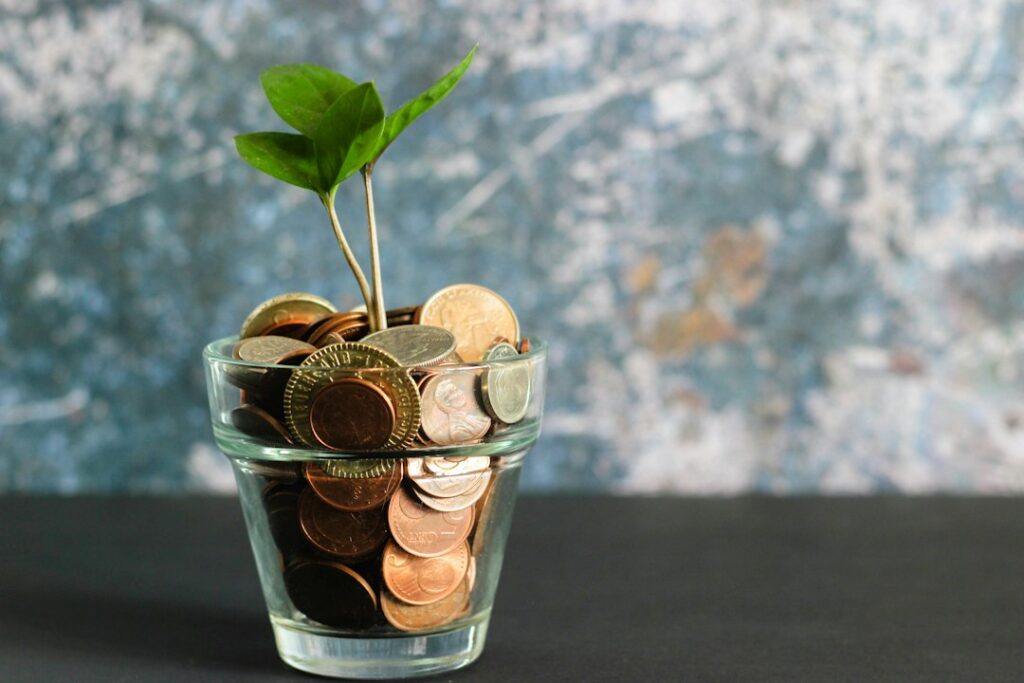
Looking for the best ways to save money? The most effective approach combines automated savings with a strict audit of recurring expenses. By moving money out of your checking account before you can spend it and canceling unused subscriptions, you create a financial buffer that grows without requiring constant willpower. This method works because it removes the decision-making process from daily spending habits.
Key Takeaways
- Automate first: Set up automatic transfers to a high-yield savings account on payday.
- Audit subscriptions: Cancel any service you have not used in the last 30 days.
- Track expenses: Manually log spending for one month to identify leaks.
- Set specific goals: Define a target amount and deadline for each savings bucket.
- Reduce utility usage: Small changes in energy consumption lower monthly bills.
Why Automating Savings Works Better Than Relying on Willpower
Most people fail to save because they wait until the end of the month to see what is left. This is a flawed strategy because leftover money is rarely consistent. The best ways to save money involve removing the option to spend the money in the first place.
When you set up an automatic transfer from your checking account to a savings account for the day your paycheck hits, the money is gone before you can tempt yourself with a large purchase.
This technique relies on behavioral economics. By making the default action saving rather than spending, you reduce the cognitive load required to make financial decisions. You do not need to remember to save; the system does it for you. If you are struggling to stick to a manual savings plan, this is the single highest-impact change you can make. It turns saving into a background process rather than a daily task.

How to Audit Your Subscriptions and Recurring Charges
Subscriptions are the silent killers of personal budgets. They start small, often under ten dollars a month, but they add up quickly. A streaming service, a music app, a cloud storage plan, and a fitness app can easily consume fifty dollars monthly. That is six hundred dollars a year for services you might use only once a week.
To audit these charges, pull your bank statements for the last three months. Look for recurring charges that appear on the same day each month. Create a list of every service and the cost per month. Next to each one, write down when you last used it.
If the answer is more than thirty days ago, cancel it. You can always resubscribe later if you truly need the service. Do not keep it “just in case.” The cost of keeping it is the cost of not saving it.
Why You Need a High-Yield Savings Account
Keeping your savings in a standard checking account at your local bank is losing money due to inflation. Traditional savings accounts often pay interest rates below one percent. Inflation, however, usually moves at a higher rate. This means your money is actually losing purchasing power while it sits in the account. The best ways to save money include ensuring your saved cash is working for you.
High-yield savings accounts (HYSA) offer significantly higher interest rates than traditional banks. These accounts are often held by online banks that do not have the overhead costs of physical branches. The difference in interest can add up to hundreds of dollars over a year for a six-figure balance. Check the current rates from multiple online banks to find the best option. Ensure the account is FDIC insured to protect your funds.
How to Track Expenses Without Going Crazy
Tracking expenses sounds tedious, but it is essential for seeing where your money goes. You cannot cut what you do not measure. For the first month, try manual tracking. Use a notebook or a simple spreadsheet. Write down every dollar you spend, no matter how small. Include coffee, parking, and impulse buys. At the end of the month, categorize the spending into fixed costs, variable costs, and discretionary spending.
You will likely be shocked by the amount you spend on small items. This data allows you to make informed decisions. If you see that discretionary spending is high, you know where to focus your cuts. You do not need to track expenses forever. Once you have a handle on your spending patterns, you can switch to a budgeting app or check your bank statements monthly. The goal is awareness, not perfection.

What Role Does a Budget Play in Saving Money?
A budget is not a restriction; it is a plan. It tells your money where to go before it gets there. Without a budget, spending is reactive. You buy what you want in the moment, hoping you have enough left over. A budget makes spending proactive. You allocate specific amounts to specific categories. When you reach the limit for a category, you stop spending in that area.
There are many budgeting methods, such as the 50/30/20 rule or zero-based budgeting. Choose the one that fits your lifestyle. The 50/30/20 rule suggests allocating 50% of income to needs, 30% to wants, and 20% to savings and debt repayment. Zero-based budgeting assigns every dollar a job before the month begins. Both methods work if you stick to them. The key is consistency. Review your budget at the end of each month to adjust for changes in income or expenses.
How to Cut Utility Costs Without Sacrificing Comfort
Utility bills are one of the largest fixed costs for most households. However, they are not entirely fixed. You can reduce your energy usage without giving up comfort. Start with your electricity bill. Switch to LED bulbs in every room. They use up to 75% less energy than incandescent bulbs and last longer. Unplug devices when they are not in use. Many electronics draw power even when turned off, a phenomenon known as vampire power.
For heating and cooling, adjust your thermostat by a few degrees. Use a programmable thermostat to lower the temperature when you are asleep or away from home. These small changes can reduce your monthly bill by ten to twenty percent. Over a year, this adds up to significant savings. Check your utility provider for any available rebates or energy efficiency programs. They can help you save even more on upgrades.
What Are the Common Mistakes People Make When Saving?
Many people make the same mistakes when trying to save money. The most common is waiting until the end of the month to save. As mentioned, this is ineffective because leftover money is unpredictable. Another mistake is not having a specific goal. Saving for “someday” is too vague to motivate action. Set specific, measurable goals. For example, save $5,000 for an emergency fund in six months.
Another mistake is ignoring inflation. If you keep your savings in a low-interest account, your money loses value over time. Always seek out higher-yield options. Finally, many people give up when they see no immediate results. Saving is a long-term game. It takes time to build a substantial cushion. Stay consistent. Celebrate small wins along the way. Each dollar saved is a step toward financial freedom.
How to Start Saving Today: A Simple Action Plan
You do not need to overhaul your entire financial life overnight. Start with one or two changes. First, open a high-yield savings account. Second, set up an automatic transfer for your next payday. Third, audit your subscriptions and cancel any unused services. These three steps will immediately improve your cash flow. Once you have established this foundation, you can move on to tracking expenses and creating a detailed budget.
Remember, the best ways to save money are those you can sustain. Do not try to cut every expense at once. Focus on the areas where you can make the biggest impact with the least effort. Over time, these small changes will compound into significant savings. Your future self will thank you for the discipline you show today. Start small, stay consistent, and keep your eyes on the prize.
For more tips on managing your personal and professional finances, you can explore resources on professional development to understand how financial stability supports career growth.
Related articles
Frequently Asked Questions
How much should I save each month?
There is no one-size-fits-all answer. A common recommendation is to save at least 20% of your gross income. However, start with what you can afford. Even 5% is a good beginning. Gradually increase the percentage as your income grows or your expenses decrease. The key is consistency, not the amount.
Is it too late to start saving?
It is never too late to start saving. While starting earlier gives you more time to benefit from compound interest, starting now is better than waiting. Focus on building an emergency fund first. This provides a safety net that prevents you from falling into debt when unexpected expenses arise. Once you have a basic cushion, you can focus on long-term goals like retirement.
What is the best place to keep my emergency fund?
Your emergency fund should be easily accessible but separate from your checking account. A high-yield savings account is ideal. It offers higher interest rates than traditional savings accounts while still allowing you to withdraw funds quickly. Avoid keeping your emergency fund in investment accounts, as the value can fluctuate and you may face penalties for early withdrawal.