Introduction: What Is Hostinger Login and Why Users Need It
Hostinger login is the gateway to managing your web hosting, domains, emails, and websites through a user-friendly platform. Whether you’re a website owner launching a blog, a beginner setting up an online store, or a developer handling multiple projects, accessing your Hostinger account is essential for everyday tasks like updating content or monitoring performance. Without a smooth hostinger login process, you could face delays in site maintenance or resolving issues.
This article covers everything from basic sign-in steps to troubleshooting common problems, ensuring you can access your Hostinger dashboard quickly. If you’re dealing with login hurdles, we’ll address those too. Hostinger’s hPanel makes management intuitive, but starting with a secure hostinger login sets the foundation for success. For bloggers and small business owners, this means effortless control over your digital presence.
In the competitive world of web hosting, Hostinger stands out for its affordability and features. Logging in allows you to tap into tools like AI-powered website builders and one-click installs. Stay tuned for detailed guides that cater to all skill levels.
How Hostinger Login Works (Account Types and Dashboard Overview)
Understanding how hostinger login functions begins with knowing the account types available. Hostinger offers shared hosting for beginners, VPS for developers needing more control, cloud hosting for scalable sites, and specialized plans like WordPress hosting. Each requires a unique account, but the login process remains consistent across them.
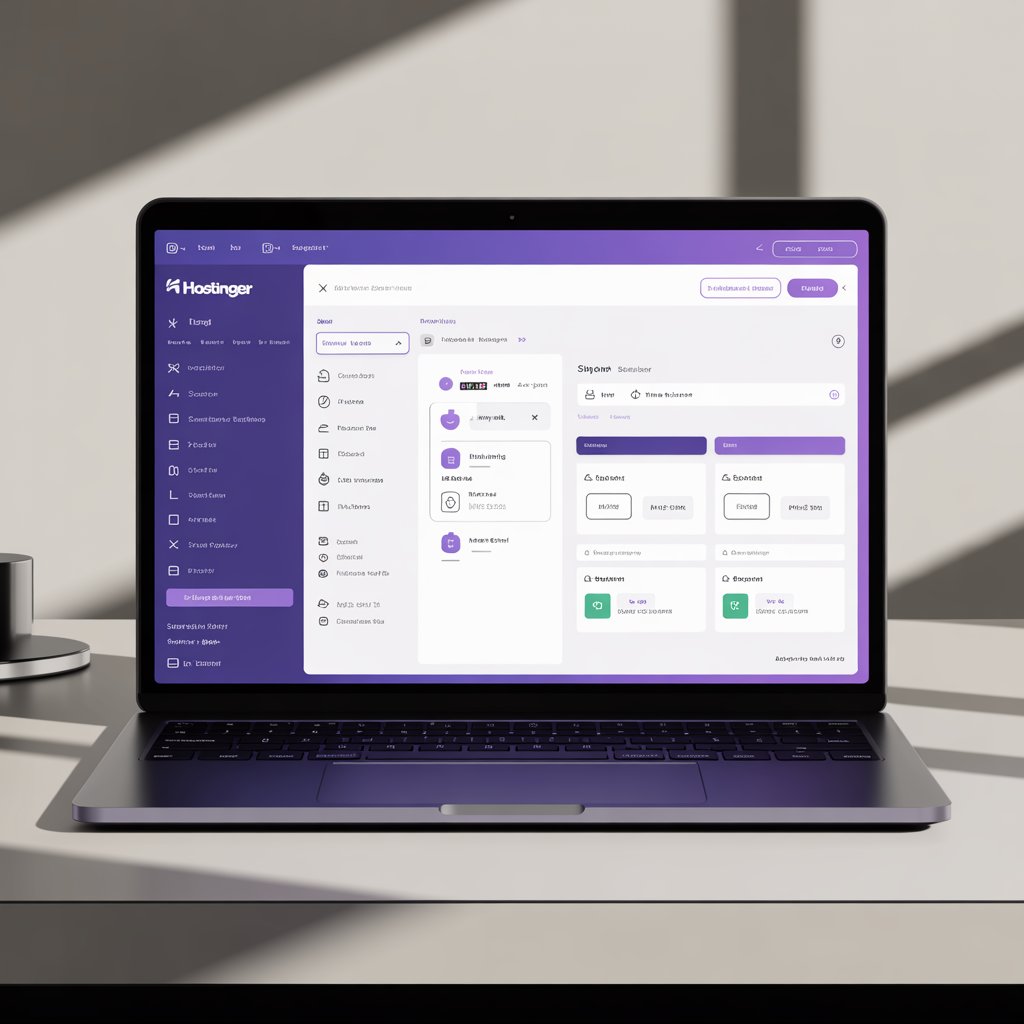
Once logged in, you’re directed to the hPanel, Hostinger’s custom control panel. Unlike traditional cPanel, hPanel is streamlined for ease of use. The dashboard overview includes sections for websites, domains, emails, and billing. From here, you can manage files, set up SSL certificates, or monitor traffic stats.
For new users, creating an account involves signing up via email or social media. Existing users simply enter credentials at the hostinger sign in page. The system supports multi-factor authentication for added security, which we’ll cover later.
Account types vary by needs: Shared is ideal for bloggers with low traffic, while VPS suits developers running custom apps. The hPanel dashboard centralizes everything, reducing the learning curve. If you’re transitioning from another host, Hostinger’s migration tools are accessible post-login.
This setup ensures efficiency, whether you’re a solo blogger or managing team accounts.

Step-by-Step Guide: How to Log In to Hostinger
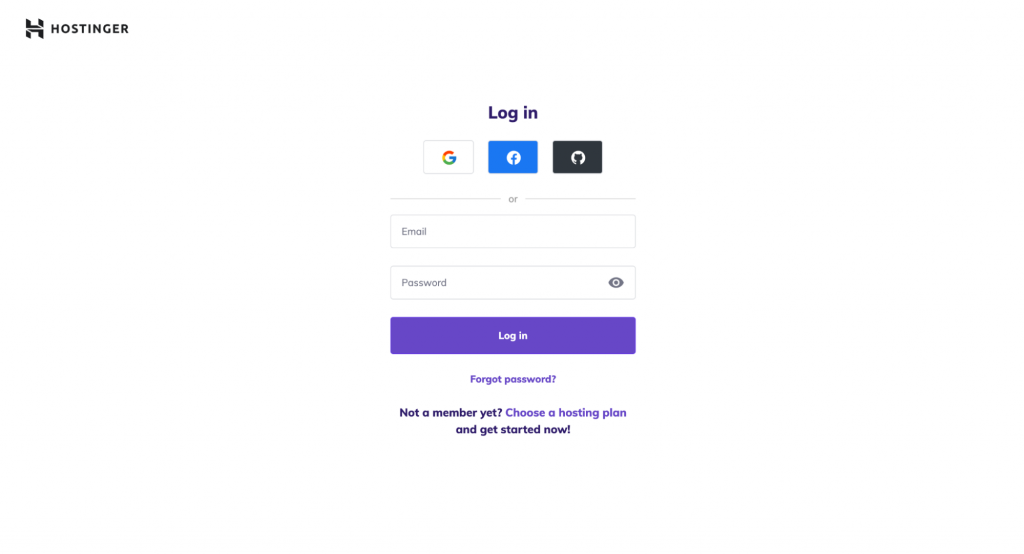
Logging into your Hostinger account is straightforward, but following precise steps ensures success. Start by navigating to the official hostinger login page at https://hpanel.hostinger.com or https://auth.hostinger.com/login. This is the secure entry point for all users.
Step 1: Open your web browser and enter the URL. Avoid bookmarks if they’re outdated to prevent phishing risks.
Step 2: Input your registered email address in the designated field.
Step 3: Enter your password. If using social login (Google or Facebook), select that option for quicker access.
Step 4: Click “Log In.” If enabled, complete any two-factor authentication prompt.
Upon success, you’ll land on the hPanel dashboard. For first-time users, verify your email during signup to avoid future issues.
If you’re a developer, note that VPS logins might involve SSH, but that’s separate from the main hostinger account login. Always use a secure connection, like HTTPS, to protect your data.
This guide applies to all devices, though mobile users might prefer the app-like browser experience. Practice these steps to make hostinger sign in second nature.
Hostinger Login via hPanel Explained
Hostinger login via hPanel is the core method for accessing your hosting tools. hPanel is Hostinger’s proprietary dashboard, designed to be more intuitive than standard panels. After entering your credentials on the login screen, hPanel loads automatically.
Key features include the Home tab, which overviews your active plans and quick actions like adding a domain. Navigate to Websites for site management, or Emails for setting up professional inboxes.
For beginners, hPanel simplifies tasks with AI assistance, like suggesting optimizations. Developers appreciate advanced options, such as database management and cron jobs, all under one roof.
If you have multiple accounts, hPanel allows switching seamlessly. Remember, hPanel login is synonymous with hostinger account login—there’s no separate entry.
To enhance your experience, explore the sidebar for tools like file manager or backups. This centralized approach saves time compared to fragmented systems.
For more on domain management, consider Hostinger’s domain guides, which integrate directly into hPanel post-login.
Common Hostinger Login Problems and Solutions
Encountering hostinger login problems can be frustrating, but most are fixable with simple checks. One frequent issue is incorrect credentials—double-check your email and password for typos.
Another common problem: browser cache. Clear it or try incognito mode to resolve loading errors. If the site says “account not found,” ensure your subscription is active.
Maintenance periods might block access; check Hostinger’s status page for updates. For email-related logins, disabled mail services could be the culprit—reactivate them in hPanel.
Network issues, like VPN interference, often cause connection refused errors. Disable temporarily and retry.
If locked out after multiple failed attempts, wait 30 minutes or contact support. Solutions include using recovery options or verifying via backup email.
Table of Common Issues:
| Issue | Solution |
|---|---|
| Wrong Password | Reset via forgot password link |
| Page Not Loading | Check internet; try different browser |
| Account Suspended | Contact support for reactivation |
| 2FA Not Working | Use backup codes or disable temporarily |
These tips address most hostinger login problem scenarios, keeping downtime minimal.
Password Reset and Account Recovery
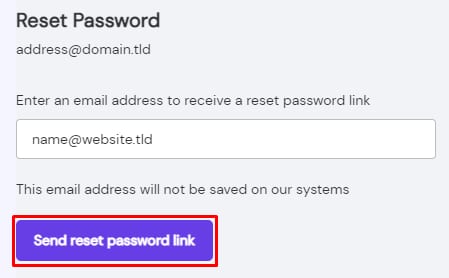
Forgot your password? Hostinger’s reset process is quick. Visit https://auth.hostinger.com/forgot-password and enter your email. You’ll receive a link to set a new one.
For account recovery, if email access is lost, use the backup email option during reset. Hostinger requires verification to prevent unauthorized changes.
Steps for reset:
- Go to the forgot password page.
- Input email and submit.
- Check inbox for the reset link (check spam too).
- Create a strong new password: at least 12 characters, mix of letters, numbers, symbols.
For email mailbox passwords, log into hPanel first, then navigate to Emails > Mailboxes > Change Password.
If recovery fails, contact Hostinger support with proof of ownership, like billing details. Avoid common pitfalls like using weak passwords post-reset.
This ensures you regain access swiftly, whether you’re a blogger recovering a site or a developer securing a project.
Security Tips for Hostinger Login
Securing your hostinger login is crucial to protect your sites from threats. Start with a strong password—use a manager like NordPass for complexity.
Enable two-factor authentication (2FA) in your account settings. This adds a layer, requiring a code from your phone.
Regularly update your contact info to aid recovery. Avoid public Wi-Fi for logins; use VPN if necessary.
Monitor login attempts via hPanel’s security logs. If suspicious, change passwords immediately.
For developers, use SSH keys instead of passwords for VPS access. Install SSL certificates for encrypted connections.
Beware of phishing—always verify URLs start with https://auth.hostinger.com.
Additional tips:
- Log out from shared devices.
- Use unique emails for accounts.
- Enable auto-backups in hPanel.
These practices keep your hostinger sign in safe, benefiting all users from beginners to pros.
For WordPress users, secure your admin login with plugins—see Hostinger’s WordPress setup guides.
Hostinger Login on Mobile vs Desktop
Hostinger login on mobile offers flexibility for on-the-go management, while desktop provides a fuller view. Both use the same URL, but mobile optimizes via responsive design.
On mobile: Open browser, enter credentials. hPanel adjusts to screen size, with touch-friendly navigation. Ideal for quick checks like email or traffic.
Desktop advantages: Larger interface for multitasking, like editing files while viewing stats. Keyboard shortcuts speed up tasks.
Differences:
- Mobile: Pinch-to-zoom for details; potential slower load on weak signals.
- Desktop: Better for complex actions like database edits.
Tips for mobile: Use Chrome or Safari for best compatibility. Enable notifications for security alerts.
For developers, desktop is preferable for coding, but mobile suffices for monitoring.
Whichever you choose, ensure secure networks. This versatility suits bloggers traveling or owners checking sites remotely.
Common Mistakes Users Make
New and experienced users alike make avoidable errors during hostinger login. One top mistake: Using weak passwords, leading to breaches—always opt for strong ones.
Another: Ignoring 2FA setup, leaving accounts vulnerable. Enable it immediately after signup.
Forgetting to verify email during registration causes later access issues. Check your inbox promptly.
Common pitfalls:
- Entering wrong URL: Stick to official sites to avoid fakes.
- Not clearing cache: Old data can block logins.
- Sharing credentials: Keep them private, even with teams.
Beginners often overlook account activation post-purchase, delaying access. Developers might skip SSH setup for VPS, complicating logins.
To avoid: Bookmark the correct hostinger dashboard page and review settings regularly.
These mistakes are easy to fix with awareness, ensuring smooth operations.
For more, explore Hostinger’s hosting guides to integrate best practices.
FAQs about Hostinger Login
What if I can’t access my email for reset? Use the backup email option or contact support with account details.
Is hPanel login different from Hostinger account login? No, they’re the same—hPanel is the dashboard you reach after login.
How do I enable social sign-in? In account settings, link Google or Facebook for faster access.
What causes ‘connection refused’ errors? Often wrong ports or network issues; check your setup.
Can I log in from multiple devices? Yes, but monitor sessions for security.
Why is my account empty after login? Possible migration issues; contact support.
How to fix mobile login problems? Clear app cache or use browser incognito.
These cover frequent queries, helping users troubleshoot independently.
Conclusion with Quick Tips
Mastering hostinger login empowers you to manage your online presence effectively. From basic access to advanced security, this guide equips website owners, bloggers, and developers with the knowledge needed.
Quick tips:
- Always use official URLs.
- Set up 2FA right away.
- Reset passwords via secure links.
- Explore hPanel fully for optimal use.
For further reading, check Hostinger’s guides on WordPress setup or domain management. Stay proactive, and your hosting experience will be seamless.
[…] designs, and affordability make them a go-to choice for a wide range of applications. As the industry embraces new technologies and sustainable practices, the future of screen printing looks brighter than ever. […]
[…] identities. As AI and animation evolve in 2026, Adobe continues to innovate, making avatar creation more powerful and accessible for creators […]