If you’re searching for GoDaddy alternative domain registration options, you’re not alone. Many website owners, bloggers, startups, digital marketers, and entrepreneurs are looking beyond GoDaddy due to concerns like high renewal fees, aggressive upselling, and mixed customer service experiences. In this comprehensive guide, we’ll explore why people seek alternatives, key factors to consider, top providers, comparisons, and practical steps to get started. Whether you’re registering your first domain or transferring an existing one, these insights will help you make an informed choice.
Featured Snippet Definition: GoDaddy alternative domain registration involves using other accredited registrars like Namecheap, Porkbun, or Hover to purchase and manage domain names. These services often provide lower costs, free WHOIS privacy, broader TLD selections, and better support, avoiding GoDaddy’s upsells and helping users save money while maintaining control over their online presence. (52 words)
In the evolving digital landscape of 2026, domain registration services have become more competitive. With GoDaddy holding a large market share, many users report frustration with hidden fees and pushy sales tactics. Opting for a GoDaddy alternative domain registration can offer transparency, affordability, and enhanced features tailored to your needs.
Introduction: Why People Search for GoDaddy Alternative Domain Registration
GoDaddy has long been a go-to for domain registration, but it’s far from perfect. Founded in 1997, the company boasts millions of domains under management. However, common complaints include steep renewal prices—often jumping from promotional rates like $0.01 for the first year to $19.99 or more annually—along with constant upsells for hosting, SSL certificates, and other add-ons during checkout. Users also cite privacy concerns, as WHOIS protection wasn’t always free, though it is now for many TLDs.
Why the shift? For starters, cost savings. Alternative domain registrars frequently offer consistent pricing without surprises. Bloggers might prioritize ease of use and integration with platforms like WordPress, while startups seek scalable options with robust security. Digital marketers value quick transfers and custom TLDs for branding, and entrepreneurs appreciate reliable support without long wait times.
Real-world examples abound. A small business owner I consulted switched from GoDaddy after a 200% renewal hike, saving hundreds annually by moving to a cheaper domain registration provider. Similarly, a blogger frustrated with upselling found peace with a no-frills registrar. If you’re tired of these issues, exploring best domain providers beyond GoDaddy is a smart move. This aligns with broader trends in 2026, where users demand value-driven domain registrar comparisons.
For more on setting up your site post-registration, check our website setup guide.
Factors to Consider When Choosing a Domain Registrar
Selecting the right registrar involves more than just price. Here’s what to evaluate:
Pricing
Look for transparent costs. Introductory deals are common, but check renewals. For .com domains, expect $10–$20 yearly. Avoid registrars with hidden fees for transfers or add-ons.
Support
24/7 availability via chat, phone, or email is crucial. Startups can’t afford downtime, so prioritize responsive teams. User reviews often highlight this—Hover, for instance, earns praise for human-touch support.
TLD Options
Diverse top-level domains (TLDs) like .io for tech or .shop for e-commerce enhance branding. Top alternatives offer 300+ extensions.
Features
Free WHOIS privacy protects against spam. Additional perks include email forwarding, SSL certificates, and DNS management. Porkbun stands out with free SSL and Cloudflare integration.
Other considerations: Ease of domain transfers, security (like two-factor authentication), and integration with hosting. For entrepreneurs, scalability matters—can it handle multiple domains? Bloggers might want simple interfaces, while marketers seek analytics tools.
In a domain registrar comparison, weigh these against your needs. For tips on domain selection, see our domain tips article.
Top GoDaddy Alternative Domain Registration Services in 2026
Based on user feedback, expert reviews, and features, here are leading options. These alternative domain registrars excel in value and reliability.
Namecheap
Namecheap is a favorite for affordable, no-upsell registration. Founded in 2000, it manages over 10 million domains.
- Pricing: .com registration at $6.49 first year, renewal $14.98.
- Features: Free lifetime WHOIS privacy, easy DNS management, email forwarding.
- TLDs: Hundreds, including .com, .io, .ai.
- Support: 24/7 chat and tickets.
- Pros: Budget-friendly, user-friendly dashboard.
- Cons: Occasional renewal price increases.
- Best for: Bloggers and startups on a budget.

Porkbun
Porkbun offers quirky branding with serious value, emphasizing flat pricing.
- Pricing: .com around $10–$11 for registration and renewal.
- Features: Free WHOIS privacy, SSL certificates, URL/email forwarding, Cloudflare DNS.
- TLDs: Extensive, focusing on unique extensions.
- Support: Phone (9AM–5PM PT), email, knowledge base.
- Pros: No hidden fees, high Trustpilot ratings.
- Cons: Limited phone hours.
- Best for: Digital marketers seeking extras.
Hover
Hover prioritizes simplicity, owned by Tucows since 2008.
- Pricing: .com typically $15–$17/year.
- Features: Free WHOIS privacy, easy transfers, Hover Connect for hosting links.
- TLDs: Over 300, including creative ones like .studio.
- Support: Phone, chat, tickets with real humans.
- Pros: Clean interface, no upsells.
- Cons: Slightly higher prices.
- Best for: Entrepreneurs wanting hassle-free management.
Dynadot
Dynadot appeals to domain investors with auction tools.
- Pricing: .com $10–$12/year.
- Features: Free privacy, grace deletion, advanced DNS.
- TLDs: Wide range for investors.
- Support: 24/7 chat and email.
- Pros: Tools for bulk management.
- Cons: Interface can feel dated.
- Best for: Startups with multiple domains.
Squarespace Domains
Formerly Google Domains, now under Squarespace for seamless integration.
- Pricing: Flat $20/year for .com.
- Features: Free privacy, SSL, email forwarding (up to 100), 2FA.
- TLDs: Over 400.
- Support: 24/7.
- Pros: Transparent pricing, no surprises.
- Cons: Higher cost for basics.
- Best for: Website owners using Squarespace.
Comparison of Alternatives vs GoDaddy
To aid your decision, here’s a domain registrar comparison table focusing on .com domains (2026 estimates; check sites for updates).
| Registrar | First-Year Price | Renewal Price | Free WHOIS Privacy | TLD Options | Support | User Rating |
|---|---|---|---|---|---|---|
| GoDaddy | $0.01 | ~$19.99 | Yes | 500+ | 24/7 | 4.5/5 |
| Namecheap | $6.49 | $14.98 | Yes | Hundreds | 24/7 | 4.7/5 |
| Porkbun | ~$10.95 | ~$10.95 | Yes | Extensive | Limited hours | 4.9/5 |
| Hover | ~$15.99 | ~$15.99 | Yes | 300+ | Yes | 4.8/5 |
| Dynadot | ~$10.99 | ~$10.99 | Yes | Wide | 24/7 | 4.6/5 |
| Squarespace | $20 | $20 | Yes | 400+ | 24/7 | 4.7/5 |
GoDaddy edges on promo pricing but lags in renewals and user experience. Alternatives like Porkbun offer better value long-term. For visual context:
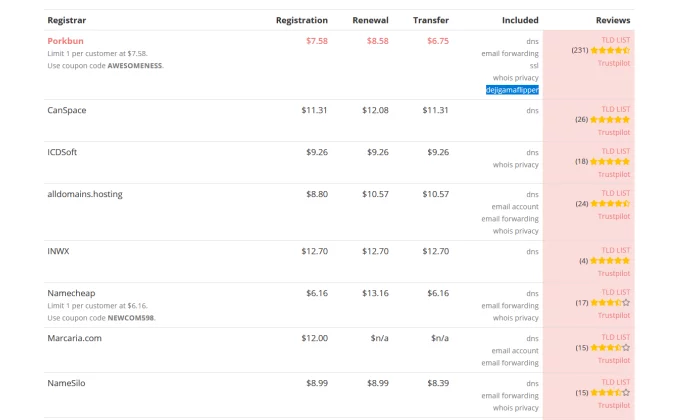
Features-wise, alternatives often include free extras GoDaddy charges for. User experience? Cleaner dashboards without sales pitches.
Link to our hosting articles for paired services.
Step-by-Step Guide: How to Register a Domain with an Alternative Registrar
Registering is straightforward. Using Namecheap as an example:
- Search for Your Domain: Visit the site, enter your desired name (e.g., myblog.com). Check availability.
- Select TLD and Add to Cart: Choose .com or alternatives; add privacy if not free.
- Create Account: Sign up with email and payment info.
- Checkout: Apply promos, review cart, pay.
- Configure DNS: Set up pointing to hosting.
- Verify and Manage: Confirm via email; use dashboard for edits.
Expect 5–10 minutes. For transfers: Unlock domain, get auth code, initiate at new registrar.
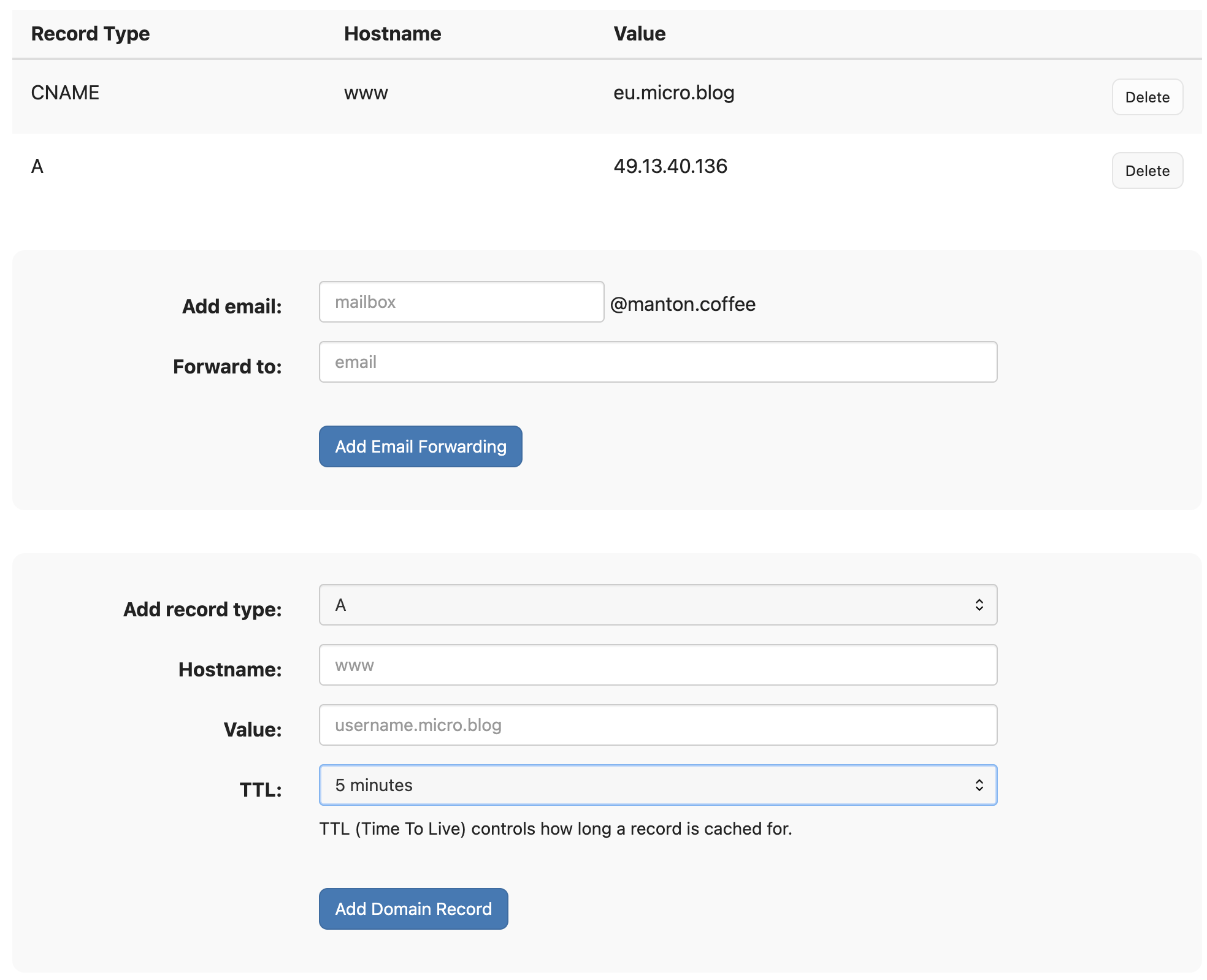
Tips: Use strong passwords, enable 2FA. For more, see domain tips.
Advantages of Using Alternatives Over GoDaddy
Switching brings benefits:
- Cost Savings: Lower renewals; Porkbun’s flat rates save over time.
- No Upsells: Clean checkouts focus on what you need.
- Better Privacy: Free across most, reducing spam.
- Superior Support: Faster responses; users rave about Hover’s team.
- Flexibility: Easier integrations for bloggers (e.g., WordPress).
- Scalability: Startups handle portfolios without fees.
In real scenarios, a marketer saved 30% annually by switching, gaining free SSL too.
Common Mistakes to Avoid When Registering a Domain
- Ignoring Renewals: Promo prices tempt, but check long-term costs.
- Skipping Privacy: Exposes info to hackers/spammers.
- Poor Domain Choice: Avoid hyphens or complex spellings.
- Not Checking Trademarks: Risk legal issues.
- Forgetting Transfers: Lock in before expiring.
- Overlooking Support: Test responsiveness pre-purchase.
Entrepreneurs: Bulk-buy wisely. Bloggers: Match domain to niche.
FAQs about GoDaddy Alternative Domain Registration
What is the best GoDaddy alternative for cheap domains? Namecheap offers great deals with free privacy.
Can I transfer my domain from GoDaddy? Yes, unlock it, get the auth code, and initiate at the new registrar—usually free.
Are alternatives as secure as GoDaddy? Often more, with free 2FA and DNSSEC.
What’s the cheapest .com renewal? Porkbun at around $11.
Do alternatives offer hosting too? Many like Hostinger do; pair with dedicated hosts for best results.
How many TLDs do top alternatives have? 300–500+, matching or exceeding GoDaddy.
Conclusion with Recommendations for Startups, Bloggers, and Businesses
In summary, GoDaddy alternative domain registration empowers you with better options in 2026. For startups, Dynadot’s tools scale well. Bloggers thrive with Namecheap’s affordability. Businesses? Hover’s support shines. Whichever you choose, prioritize your needs for pricing and features. Start today—your perfect domain awaits. For deeper dives, explore our hosting articles.
Leave a Reply