
In an era where technology reshapes every aspect of our lives, the ai-driven reduced workweek stands out as a transformative concept. This approach leverages artificial intelligence to streamline operations, automate routine tasks, and enhance decision-making, allowing employees to achieve the same or greater output in fewer hours—often transitioning to a four-day schedule. As business leaders and tech enthusiasts explore the future of work, understanding how AI workplace automation enables this shift is crucial for maintaining competitive edges while prioritizing work-life balance.
Featured Snippet: What Is an AI-Driven Reduced Workweek?
An ai-driven reduced workweek is a model where AI tools automate repetitive tasks, optimize workflows, and support data-driven decisions to reduce standard working hours—typically to 32 per week—without cutting pay or productivity. This fosters better work-life balance, reduces burnout, and boosts efficiency, as seen in trials where AI saves employees 5-11 hours weekly.
Introduction: What an AI-Driven Reduced Workweek Is and Why It Matters
The ai-driven reduced workweek represents a pivotal evolution in workplace productivity AI, blending cutting-edge technology with human-centric design. At its core, it involves using AI to handle time-consuming tasks, freeing workers to focus on high-value activities. This isn’t just about working less; it’s about working smarter in the future of work.
Why does it matter? In 2024-2025, amid rising burnout rates and talent shortages, companies adopting this model report higher employee satisfaction and retention. For business leaders, it means cost efficiencies; for employees, enhanced mental health; and for HR professionals, a tool to attract top talent. As AI continues to advance, ignoring this trend could leave organizations behind in an increasingly automated world.
With global productivity stagnating, AI offers a lifeline. Research shows AI can automate 40-80% of routine tasks, paving the way for shorter weeks. This article delves into how this works, real examples, benefits, challenges, and implementation steps.

How AI Enables a Reduced Workweek
AI drives the reduced workweek through three key mechanisms: automation, productivity tools, and decision support. These elements collectively reduce the time needed for daily operations, making a four-day workweek feasible.
First, AI workplace automation handles repetitive tasks like data entry, scheduling, and report generation. Tools such as generative AI can save employees up to 11.8 hours weekly by automating admin work. For instance, AI-powered bots manage emails and calendars, eliminating hours of manual sorting.
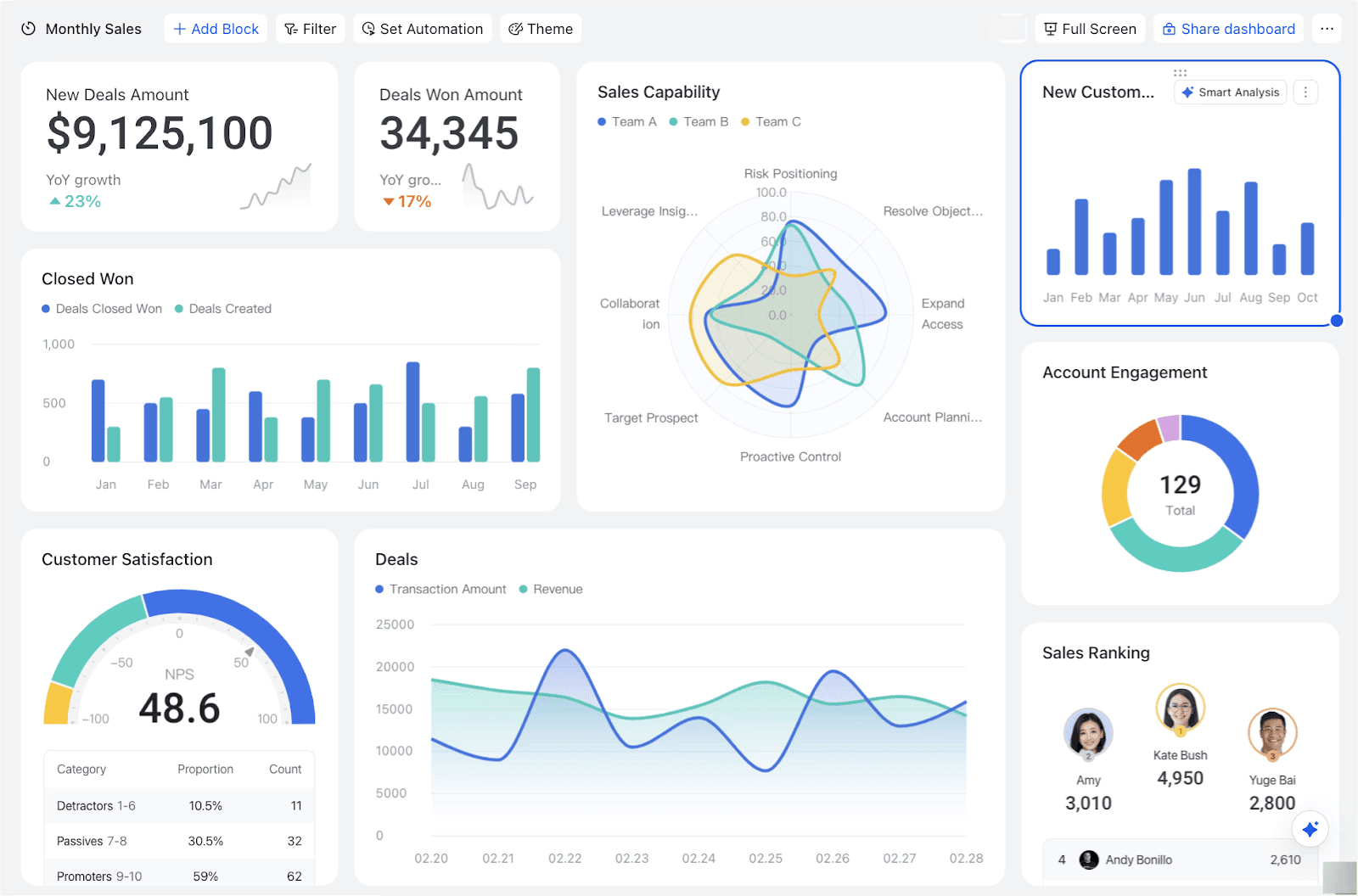
Second, workplace productivity AI tools enhance efficiency. Platforms like AI-driven analytics dashboards provide real-time insights, allowing teams to prioritize effectively. Employees using AI daily save four or more hours compared to occasional users.
Third, AI offers decision support through predictive analytics and machine learning. In HR, it forecasts workforce needs, optimizing shifts and reducing overtime. This synergy not only cuts hours but amplifies output, aligning with work-life balance technology goals.
- Automation Examples: Chatbots for customer service, reducing response times by 50%.
- Productivity Boosts: AI algorithms that analyze data faster than humans.
- Decision Aids: Tools predicting project timelines to avoid crunch periods.
By integrating these, companies can realistically shift to an ai-driven reduced workweek without compromising results.
Real-World Examples and Case Studies (2024–2025 Context)
In 2024-2025, several organizations pioneered the ai-driven reduced workweek, yielding insightful case studies.
One prominent example is from the tech sector: A startup in California implemented AI for workload optimization, transitioning to a four-day week. Using AI to automate 40% of tasks, they maintained revenue growth while employees reported 38% less fatigue.
In finance, JPMorgan Chase’s CEO Jamie Dimon predicted AI enabling 3.5-day weeks. By 2025, pilot programs using AI for fraud detection and reporting saved teams 7.5 hours weekly, allowing reduced schedules without productivity dips.
McKinsey’s 2025 report highlighted manufacturing firms where AI superagency empowered workers, cutting work time by 10 hours via automation. A European logistics company adopted AI for route optimization, enabling a 32-hour week and boosting on-time deliveries by 15%.
Government initiatives also emerged. In the US, Senator Bernie Sanders’ 2024 bill proposed leveraging AI for a 32-hour week, inspiring trials in public sectors.
These cases demonstrate that, with proper AI integration, reduced workweeks are not futuristic but achievable now.
Benefits for Employees
The ai-driven reduced workweek profoundly impacts employees, primarily through improved work-life balance and mental health.
Reduced hours combat burnout, with 67% of four-day week participants reporting lower levels. This extra time allows for personal pursuits, family, or rest, enhancing overall well-being.
Mental health benefits are significant: 41% note improvements, with fewer stress-related absences. AI’s role in easing workloads prevents overload, fostering a healthier mindset.
Additionally, it promotes skill development. Freed from drudgery, employees engage in creative tasks, boosting job satisfaction and career growth.
- Work-Life Balance: More time for hobbies and relationships.
- Health Gains: Reduced anxiety and better sleep.
- Engagement: Higher morale from meaningful work.
For tech enthusiasts and employees, this model redefines the future of work as empowering rather than exhaustive.
Benefits for Businesses
Businesses adopting an ai-driven reduced workweek reap productivity and cost efficiencies.
Productivity surges as AI handles routines, allowing focus on innovation. Studies show AI saves 5-10 hours weekly, translating to higher output per hour. Companies like those in Metrigy’s research saw 11-hour savings, directly enabling shorter weeks.
Cost-wise, reduced overtime and turnover lower expenses. Retention improves with happier staff, cutting recruitment costs by up to 20%.
Competitive advantages include attracting talent; HR professionals note AI-enhanced models as key differentiators.
| Benefit | Impact |
|---|---|
| Productivity | Up 15-20% with AI focus |
| Cost Savings | Lower utilities, overtime |
| Innovation | More time for strategic work |
Challenges and Limitations
Despite promise, the ai-driven reduced workweek faces hurdles.
Implementation requires upfront investment in AI tools, which small businesses may struggle with. Training gaps can lead to underutilization.
Job displacement is a risk; 37% of companies replaced staff with AI in 2024. This could exacerbate inequality if not managed.
Technical limitations include AI errors or integration issues, potentially disrupting workflows.
- Scalability: Not all industries suit automation.
- Resistance: Cultural shifts needed for acceptance.
- Dependency: Over-reliance on AI risks downtime vulnerabilities.
Addressing these demands careful planning to ensure equitable transitions.
Ethical, Legal, and Workforce Considerations
Ethical concerns in an ai-driven reduced workweek center on bias, privacy, and job security.
AI algorithms may perpetuate biases in hiring or task allocation, raising fairness issues. Ethically, companies must prioritize transparent AI to avoid discrimination.
Legally, data privacy laws like GDPR require compliant AI use. In the US, 2025 developments emphasize reducing exposure through policies.
Workforce considerations include upskilling; without it, displaced workers suffer. Moral agency is at stake if AI erodes autonomy.
Balancing innovation with ethics ensures sustainable adoption.
AI-Driven Reduced Workweek vs Traditional Work Models
Compared to traditional five-day models, the ai-driven reduced workweek offers superior flexibility and efficiency.
Traditional setups rely on manual processes, leading to longer hours and burnout. AI models automate 40-80%, enabling output in less time.
Vs. flexible hours without AI, this approach provides structured reductions backed by tech, ensuring no productivity loss.
In essence, it’s a tech-evolved version of the four-day workweek, amplified by workplace productivity AI for modern demands.
How Companies Can Implement an AI-Driven Reduced Workweek
Implementing an ai-driven reduced workweek involves strategic steps.
Start by auditing tasks: Identify automatable ones using AI assessments.
Select tools: Integrate AI platforms for automation and analytics.
Pilot programs: Test with departments, measuring productivity.
Train staff: Ensure adoption through workshops.
Monitor and adjust: Use data to refine.
For more on AI productivity tools, consider our guide on HR tech innovations.

FAQs about AI-Driven Reduced Workweek
What is an ai-driven reduced workweek? It’s a system where AI automates tasks to shorten work hours while maintaining pay and output.
How does AI enable shorter workweeks? By automating routines, providing insights, and optimizing decisions, saving 5-11 hours weekly.
What are the main benefits? Improved employee health, higher business productivity, and cost savings.
Are there risks? Yes, including job loss and ethical biases; mitigation through policies is key.
How can my company start? Audit tasks, choose AI tools, and pilot reduced schedules.
Is this the future of work? Absolutely, with AI projected to boost GDP by 1.5% by 2035 through efficiency.
For deeper dives, explore our articles on work-life balance technology or future of work trends.
Conclusion with Future Outlook
The ai-driven reduced workweek is more than a trend—it’s a practical path to a balanced, productive future. By harnessing AI workplace automation, businesses can empower employees, cut costs, and innovate. While challenges exist, ethical implementation will unlock its potential.
Looking ahead, as AI evolves, we may see even shorter weeks, like Bill Gates’ 2-3 day vision. For business leaders, HR pros, and tech enthusiasts, embracing this now positions you at the forefront of the future of work. Start small, measure results, and watch your organization thrive.
Leave a Reply