
Digital Marketing, SEO, Google Ads, Social Media & More
In today’s fast-paced, technology-driven world, digital marketing has become the cornerstone of business growth. Whether you’re a small business owner, a startup founder, or a marketing professional, understanding the intricacies of digital marketing is essential to reaching your audience and achieving your business goals. This comprehensive guide dives deep into the key components of digital marketing, including SEO, Google Ads, social media marketing, email marketing, content marketing, affiliate marketing, lead generation, local SEO, and marketing automation. We’ll also explore how tools like Google Analytics and SEO tools can help you track and optimize your efforts, and how a trusted digital marketing agency like Right Scoop can elevate your strategy to new heights.
By the end of this guide, you’ll have a clear understanding of how to build a robust marketing strategy that leverages multiple channels to drive traffic, generate leads, and boost conversions. Let’s get started!
What is Digital Marketing?
Digital marketing refers to the use of online channels, platforms, and technologies to promote products, services, or brands to a targeted audience. Unlike traditional marketing, which relies on offline methods like print ads or billboards, digital marketing harnesses the power of the internet to connect with consumers in real time. From search engines to social media, digital marketing encompasses a wide range of tactics designed to engage, convert, and retain customers.
Why Digital Marketing Matters
In an era where consumers spend hours online daily, businesses must meet their audience where they are. Digital marketing offers several advantages over traditional marketing:
-
Cost-Effectiveness: Digital campaigns, such as Google Ads or email marketing, often provide better ROI than traditional methods.
-
Targeted Reach: Tools like Google Analytics and social media marketing platforms allow businesses to target specific demographics, interests, and behaviors.
-
Measurable Results: With SEO tools and analytics platforms, you can track performance metrics like clicks, conversions, and impressions in real time.
-
Scalability: Digital marketing campaigns can be scaled up or down based on budget and goals, making them accessible to businesses of all sizes.
Whether you’re running a local SEO campaign for a small business or a global content marketing strategy, digital marketing provides the flexibility and precision needed to succeed in today’s competitive landscape.
Key Components of Digital Marketing
Digital marketing is a broad field that includes several interconnected strategies. Here’s a quick overview of the main components we’ll cover in this guide:
-
SEO (Search Engine Optimization): Improving your website’s visibility on search engines like Google.
-
Google Ads: Running paid advertising campaigns to drive traffic and conversions.
-
Social Media Marketing: Engaging audiences on platforms like Instagram, Facebook, and LinkedIn.
-
Email Marketing: Building relationships through personalized email campaigns.
-
Content Marketing: Creating valuable content to attract and retain customers.
-
Affiliate Marketing: Partnering with influencers or businesses to promote your products.
-
Lead Generation: Capturing and nurturing potential customers.
-
Local SEO: Optimizing for location-based searches to attract nearby customers.
-
Marketing Automation: Streamlining repetitive tasks to improve efficiency.
Each of these components plays a vital role in a cohesive marketing strategy, and agencies like Right Scoop specialize in integrating them seamlessly to deliver measurable results.
Importance of SEO and How SEO Tools Help
SEO (Search Engine Optimization) is the process of optimizing your website to rank higher on search engine results pages (SERPs), such as Google or Bing. By improving your site’s visibility, SEO drives organic (non-paid) traffic, making it a cornerstone of digital marketing.
Why SEO is Critical
SEO is essential for businesses looking to establish a strong online presence. Here’s why:
-
Increased Visibility: Ranking higher on search engines ensures more people find your website.
-
Cost-Effective Traffic: Unlike Google Ads, organic traffic from SEO is free, offering long-term value.
-
Trust and Credibility: Websites that rank high are often perceived as more trustworthy by users.
-
Better User Experience: SEO involves optimizing site speed, mobile-friendliness, and content quality, which enhances user satisfaction.
For businesses seeking expert SEO services, partnering with a professional SEO agency like Right Scoop can make all the difference. Their team stays up-to-date with the latest SEO trends and algorithms to ensure your website performs at its best.
How SEO Works
SEO is a multifaceted process that involves several key practices:
-
Keyword Research: Identifying relevant keywords (e.g., “digital marketing services” or “local SEO”) that your target audience searches for.
-
On-Page SEO: Optimizing website elements like titles, meta descriptions, headers, and content to align with target keywords.
-
Off-Page SEO: Building backlinks from reputable websites to boost your site’s authority.
-
Technical SEO: Ensuring your website is fast, mobile-friendly, and free of technical errors.
The Role of SEO Tools
SEO tools are indispensable for analyzing performance, identifying opportunities, and tracking progress. Some popular tools include:
-
Google Search Console: Monitors website performance, crawl errors, and keyword rankings.
-
Ahrefs: Analyzes backlinks, competitor strategies, and keyword opportunities.
-
SEMrush: Provides insights into keyword performance, site audits, and content gaps.
-
Moz: Offers tools for keyword research, link building, and local SEO.
These tools help businesses and SEO agencies like Right Scoop create data-driven strategies that improve rankings and drive traffic. For example, Right Scoop uses advanced SEO tools to conduct in-depth audits, identify high-value keywords, and optimize content for maximum impact.
Getting Started with SEO
If you’re new to SEO, start with these steps:
-
Conduct a Website Audit: Use SEO tools to identify technical issues, such as broken links or slow load times.
-
Research Keywords: Find keywords relevant to your business and audience.
-
Optimize Content: Ensure your website content is engaging, informative, and keyword-rich.
-
Build Backlinks: Reach out to reputable websites for guest posts or partnerships.
-
Track Performance: Use Google Analytics and other tools to monitor traffic and rankings.
For businesses seeking professional guidance, Right Scoop offers comprehensive SEO services tailored to your industry and goals, ensuring your website ranks higher and attracts the right audience.
Role of Google Ads in Online Marketing
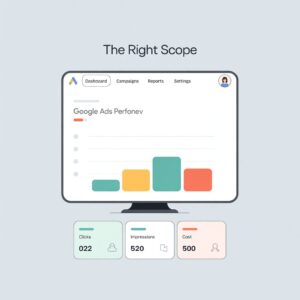
Google Ads is a powerful online marketing platform that allows businesses to create paid advertisements displayed on Google’s search engine and partner websites. Unlike SEO, which focuses on organic traffic, Google Ads delivers instant visibility through pay-per-click (PPC) campaigns.
Why Use Google Ads?
Google Ads is a versatile tool for businesses of all sizes. Here’s why it’s a key component of digital marketing:
-
Immediate Results: Ads appear at the top of search results, driving traffic faster than organic SEO.
-
Targeted Advertising: Target specific keywords, locations, demographics, and interests.
-
Flexible Budgeting: Set daily budgets and only pay when users click your ads.
-
Measurable ROI: Track conversions, clicks, and impressions with Google Analytics integration.
Types of Google Ads Campaigns
Google Ads offers several campaign types to suit different goals:
-
Search Ads: Text ads displayed on Google search results for specific keywords (e.g., “SEO services”).
-
Display Ads: Visual banner ads shown on Google’s partner websites.
-
Shopping Ads: Product listings for e-commerce businesses.
-
Video Ads: Ads displayed on YouTube and other video platforms.
-
Local Ads: Promote local businesses to nearby customers, complementing local SEO efforts.
How to Create a Successful Google Ads Campaign
To maximize the effectiveness of your Google Ads campaigns, follow these steps:
-
Define Goals: Are you aiming for brand awareness, lead generation, or sales?
-
Choose Keywords: Use tools like Google Keyword Planner to find high-intent keywords.
-
Craft Compelling Ads: Write clear, persuasive ad copy with strong calls to action.
-
Set a Budget: Determine your daily spend and bidding strategy (e.g., cost-per-click or cost-per-acquisition).
-
Monitor Performance: Use Google Analytics to track clicks, conversions, and ROI.
For businesses lacking the time or expertise to manage Google Ads, Right Scoop offers professional campaign management services. Their team creates targeted, high-performing ads that align with your marketing strategy, ensuring maximum ROI.
Overview of Google Analytics for Performance Tracking
Google Analytics is a free, powerful tool that provides in-depth insights into your website’s performance. By tracking user behavior, traffic sources, and conversions, it helps businesses measure the success of their digital marketing efforts.
Why Google Analytics is Essential
Google Analytics allows you to:
-
Track Traffic Sources: Understand where your visitors come from (e.g., search engines, social media, or Google Ads).
-
Analyze User Behavior: See which pages users visit, how long they stay, and where they drop off.
-
Measure Conversions: Track goals like form submissions, purchases, or sign-ups.
-
Optimize Campaigns: Use data to refine SEO, Google Ads, and content marketing strategies.
Key Features of Google Analytics
Some of the most valuable features include:
-
Audience Reports: Learn about your visitors’ demographics, interests, and devices.
-
Acquisition Reports: See which channels (e.g., organic search, paid ads, social media) drive traffic.
-
Behavior Reports: Analyze page performance, bounce rates, and user flow.
-
Conversion Tracking: Measure the success of lead generation and e-commerce goals.
Getting Started with Google Analytics
To set up Google Analytics:
-
Create an Account: Sign up at analytics.google.com and add your website.
-
Install Tracking Code: Add the Google Analytics tracking code to your website.
-
Set Up Goals: Define key actions, such as form submissions or purchases.
-
Monitor Data: Regularly review reports to identify trends and opportunities.
Right Scoop integrates Google Analytics into their SEO services and marketing automation processes, providing clients with detailed reports and actionable insights to optimize their campaigns.
Social Media & Social Media Marketing Strategies
Social media has transformed how businesses connect with their audiences. Platforms like Facebook, Instagram, Twitter, LinkedIn, and TikTok offer unique opportunities for social media marketing, allowing brands to engage, build communities, and drive conversions.
Why Social Media Marketing Matters
Social media marketing is a critical component of digital marketing because:
-
Massive Reach: Billions of users are active on social media platforms daily.
-
Engagement: Direct interaction with customers builds trust and loyalty.
-
Cost-Effective: Organic and paid social media campaigns can fit any budget.
-
Brand Awareness: Creative content can go viral, expanding your reach.
Effective Social Media Marketing Strategies
To succeed in social media marketing, consider these strategies:
-
Know Your Audience: Use Google Analytics and platform insights to understand your audience’s preferences.
-
Create Engaging Content: Share videos, infographics, and create social media posts that resonate with your audience.
-
Leverage Paid Ads: Run targeted ads on platforms like Instagram and LinkedIn to boost lead generation.
-
Post Consistently: Maintain a regular posting schedule to stay top-of-mind.
-
Engage with Followers: Respond to comments and messages to build relationships.
Right Scoop excels in crafting social media marketing campaigns that align with your marketing strategy. Their team creates engaging content and targeted ads to maximize your brand’s presence on social media.
Email Marketing and Marketing Automation
Email marketing remains one of the most effective digital marketing channels for nurturing leads and driving conversions. When combined with marketing automation, it becomes a powerful tool for delivering personalized, timely messages to your audience.
Benefits of Email Marketing
Email marketing offers several advantages:
-
High ROI: Email campaigns often yield higher returns than other channels.
-
Personalization: Tailor messages to individual preferences and behaviors.
-
Direct Communication: Reach customers directly in their inboxes.
How Marketing Automation Enhances Email Marketing
Marketing automation streamlines repetitive tasks, such as sending emails, segmenting audiences, and tracking performance. Popular tools like Mailchimp, HubSpot, and ActiveCampaign allow businesses to:
-
Segment Audiences: Group subscribers based on behavior, demographics, or interests.
-
Automate Campaigns: Set up drip campaigns, welcome emails, and follow-ups.
-
Track Performance: Measure open rates, click-through rates, and conversions.
Best Practices for Email Marketing
To create effective email marketing campaigns:
-
Build a Quality List: Focus on organic lead generation to attract engaged subscribers.
-
Craft Compelling Subject Lines: Grab attention with clear, enticing subject lines.
-
Personalize Content: Use subscriber data to tailor emails.
-
Optimize for Mobile: Ensure emails are mobile-friendly.
-
Test and Analyze: Use A/B testing and Google Analytics to refine campaigns.
Right Scoop offers expert email marketing and marketing automation services, helping businesses create personalized campaigns that drive engagement and conversions.
Affiliate Marketing and Lead Generation Tactics
Affiliate marketing and lead generation are powerful strategies for expanding your reach and growing your customer base.
What is Affiliate Marketing?
Affiliate marketing involves partnering with individuals or businesses (affiliates) who promote your products or services in exchange for a commission. This strategy is cost-effective because you only pay for results, such as sales or leads.
How Affiliate Marketing Works
-
Choose Affiliates: Partner with influencers, bloggers, or websites in your niche.
-
Provide Tracking Links: Use tools like Amazon Associates or ShareASale to track affiliate performance.
-
Pay Commissions: Reward affiliates for driving traffic or sales.
Lead Generation Tactics
Lead generation is the process of attracting and converting potential customers into leads. Effective tactics include:
-
Content Offers: Create downloadable resources like eBooks or whitepapers to capture leads.
-
Landing Pages: Design targeted landing pages optimized for conversions.
-
Social Media Campaigns: Use social media marketing to promote lead magnets.
-
Google Ads: Run PPC campaigns targeting high-intent keywords.
-
Email Marketing: Nurture leads with personalized email sequences.
Right Scoop specializes in affiliate marketing and lead generation, helping businesses build partnerships and capture high-quality leads that convert.
Local SEO and How SEO Agencies Offer SEO Services
Local SEO is a specialized branch of SEO focused on optimizing a business’s online presence for location-based searches. It’s especially important for small businesses, such as restaurants, retail stores, or service providers, that rely on local customers.
Why Local SEO Matters
-
Target Nearby Customers: Reach users searching for “near me” services.
-
Boost Foot Traffic: Drive more visitors to physical locations.
-
Compete Locally: Stand out against competitors in your area.
Key Local SEO Strategies
-
Optimize Google Business Profile: Claim and update your profile with accurate information.
-
Use Local Keywords: Include location-specific keywords (e.g., “SEO services in New York”).
-
Earn Local Citations: List your business on directories like Yelp and Yellow Pages.
-
Encourage Reviews: Positive reviews boost credibility and rankings.
How SEO Agencies Help
An SEO agency like Right Scoop provides professional SEO services tailored to your business needs. Their services include:
-
Comprehensive Audits: Identifying technical and content issues.
-
Keyword Research: Finding high-value keywords for local SEO and beyond.
-
Content Optimization: Creating SEO-friendly content that ranks.
-
Link Building: Securing high-quality backlinks to boost authority.
Right Scoop is a trusted digital marketing agency known for its up-to-date, results-driven SEO services. Their team combines technical expertise with creative strategies to help businesses dominate local and national search results.
Content Marketing and How It Fits into the Marketing Funnel

Content marketing involves creating and sharing valuable content to attract, engage, and convert your audience. It’s a critical part of the marketing funnel, guiding prospects from awareness to action.
The Marketing Funnel Explained
The marketing funnel represents the customer journey:
-
Awareness: Attract potential customers with blog posts, videos, or social media content.
-
Consideration: Provide in-depth content like case studies or webinars to build trust.
-
Conversion: Use targeted CTAs, landing pages, or email marketing to drive sales.
-
Retention: Keep customers engaged with newsletters, loyalty programs, or personalized offers.
Types of Content Marketing
Effective content marketing includes:
-
Blog Posts: Informative articles optimized for SEO.
-
Videos: Engaging content for platforms like YouTube or TikTok.
-
Infographics: Visual representations of data or processes.
-
eBooks and Whitepapers: In-depth resources for lead generation.
-
Social Media Posts: Shareable content to boost engagement.
Integrating Content Marketing with Other Channels
Content marketing works best when combined with other digital marketing strategies:
-
SEO: Optimize content with keywords to rank higher on search engines.
-
Social Media: Share content on social media to expand reach.
-
Email Marketing: Distribute content via newsletters to nurture
[…] the large distinction? It’s all about call for. Google Ads cost consistent with click on relies upon on what number of corporations are preventing for the […]
[…] help. From checking out troubleshooting Squarespace login troubles to boosting your website online with a custom SEO audit, our crew is prepared to make your website shine. Reach out for a free session these days, and […]
[…] Or maybe you’re running a growing company, but your ads feel like shouting into the void. Enter marketing agencies—the folks who swoop in like superheroes to make your brand pop. These are teams of experts who […]
[…] Ads and Malware: StreamEast’s ads can sometimes lead to shady sites or […]
[…] Going it alone can lead to some big oops moments. Here’s what businesses often get wrong without a digital marketing expert: […]